
Skip to content

Solar Panel Maintenance

A complete look at what a maintenance visit covers, how often it matters, and how it differs from cleaning and repair.

Overview

Solar panel maintenance checks the modules, inverter, wiring, connectors, racking, monitoring equipment, and surrounding conditions that affect photovoltaic system performance. Regular maintenance can identify inverter faults, loose connections, contamination, physical damage, corrosion, new shading, and abnormal energy production before a developing problem causes a larger system issue.

SolarReadyHub helps homeowners and businesses understand the maintenance requirements of residential and commercial solar systems. System age, equipment configuration, local weather, environmental exposure, manufacturer requirements, and monitoring data all influence the appropriate maintenance approach.

Solar panels contain few moving components, but a complete photovoltaic system includes electrical and structural equipment that operates outdoors for years. Monitoring and condition-based inspections create a practical maintenance strategy throughout the operating life of the system.

Need solar panel maintenance? Explore residential and commercial solar maintenance services below.

What's Included

What Does Solar Panel Maintenance Include?

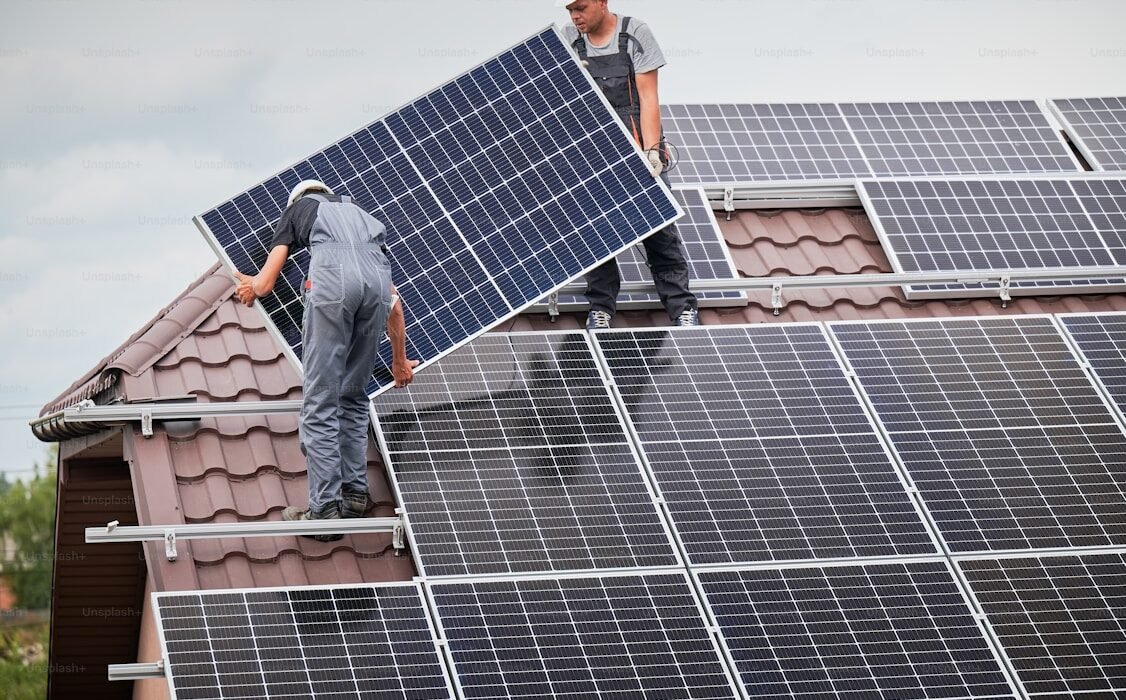
Solar panel maintenance evaluates the physical and electrical components responsible for generating, converting, and transferring solar electricity. A maintenance visit can include performance monitoring, module inspection, inverter checks, wiring assessment, connector inspection, mounting checks, and evaluation of contamination or visible damage.

Solar modules require inspection for cracks, discoloration, delamination, debris, bird activity, and other visible changes. Racking and mounting components require attention because movement, corrosion, or physical damage can affect the support structure around the photovoltaic array.

The inverter requires separate evaluation. Photovoltaic modules generate DC electricity, while the inverter converts DC electricity into AC electricity for building use or grid export. Error codes, monitoring alerts, unusual shutdowns, or unexpected production changes can indicate an inverter or related electrical problem.

Wiring and connectors create electrical pathways between modules, inverter equipment, and the building electrical system. Visible deterioration, damaged insulation, wildlife activity, or loose connections can require professional attention.

Monitoring completes the maintenance picture. Production data creates a performance history that can reveal changes that remain difficult to identify through a ground-level visual check.

Maintenance should identify the actual system condition before a technician recommends cleaning, repair, or component replacement.

Frequency

How Often Do Solar Panels Need Maintenance?

Solar panel maintenance frequency depends on system age, equipment, manufacturer guidance, environmental exposure, monitoring results, previous problems, and severe weather events. One fixed maintenance schedule cannot accurately represent every photovoltaic system.

System monitoring can continue throughout the year. Property owners can compare current production with previous performance while accounting for seasonal sunlight and weather. An unusual production pattern, inverter alert, or sudden shutdown can justify an additional system check rather than waiting for the next planned inspection.

Physical conditions can also change maintenance needs. Dust and pollen accumulate differently across regions. Bird activity can introduce debris around panels and wiring. Growing trees can create new shading several years after installation. Coastal exposure, storms, hail, high winds, and other environmental conditions can affect equipment differently.

Severe weather deserves particular attention. Hail can damage module glass or cells, falling branches can strike panels, and high winds can affect exposed components. A system can continue generating electricity even when part of the array has sustained physical damage.

System age also matters. Older equipment can require closer attention to inverter operation, module condition, connectors, and wiring as components accumulate years of outdoor exposure.

Instead of relying solely on calendar dates, SolarReadyHub recommends combining monitoring, planned inspections, manufacturer guidance, and condition-based maintenance.

Solar Panel Maintenance Tips

Preventive Care

Solar Panel Inspection, Monitoring, and Preventive Care

Solar inspection and monitoring form the foundation of preventive solar maintenance. Monitoring identifies unusual performance, while inspection investigates the physical or electrical conditions that could explain the change.

Solar electricity production naturally changes throughout the year. Cloud cover, temperature, daylight hours, seasonal sun angle, and shading can alter daily and monthly output. A lower-production day does not automatically indicate equipment failure.

Unexpected patterns deserve closer attention. A sudden major drop in production can indicate an inverter shutdown or electrical problem. A gradual change can result from contamination, growing vegetation, equipment deterioration, or other site conditions.

Consider a homeowner who notices lower production during several sunny weeks compared with similar conditions in previous years. A maintenance inspection could identify tree growth that now shades part of the array, heavy contamination on several modules, an inverter warning, or a wiring problem. Each finding requires a different response.

A technician can inspect photovoltaic modules for cracks, discoloration, hot spots, delamination, or other signs of deterioration. The technician can also evaluate accessible wiring, connectors, racking, and inverter equipment.

Preventive maintenance should respond to findings rather than create unnecessary work. Surface contamination can require cleaning. Damaged wiring can require electrical repair. A functioning system with normal production may only require continued monitoring.

SolarReadyHub separates inspection from corrective work so property owners can make maintenance decisions based on observable system conditions rather than assumptions.

Common Problems

Common Solar Panel Maintenance Problems

Solar systems can develop physical, electrical, and environmental problems throughout their operating life. Maintenance identifies which component or condition requires attention before repair or replacement begins.

  • Inverter Problems

    String inverters convert electricity for connected groups of panels, while microinverters perform conversion at individual modules. An inverter fault can reduce or stop electricity production even when the photovoltaic panels remain physically clean and undamaged.

  • Wiring and Connector Problems

    Outdoor exposure, wildlife activity, damaged insulation, corrosion, or loose electrical connections can interfere with current flow. Electrical diagnosis requires appropriate training because photovoltaic wiring can remain energized when sunlight reaches the modules.

  • Panel Damage

    Panel damage can include cracked cells, damaged glass, hot spots, and delamination. Hail, falling debris, weather exposure, manufacturing issues, or long-term deterioration can contribute to module problems.

  • Environmental Conditions

    Dust, pollen, leaves, bird droppings, and other contamination can accumulate on module surfaces. Bird nesting can introduce debris around panels and wiring. Trees can grow into previously unobstructed solar exposure and create new shading.

Not every problem requires replacement. A technician should diagnose the cause first. Cleaning can address surface contamination, electrical service can correct certain wiring problems, inverter service can address conversion equipment, and damaged modules can require targeted repair or replacement.

When maintenance identifies component damage or system failure, solar panel repair becomes the next service rather than continuing routine preventive maintenance.

Cleaning vs Maintenance

Solar Panel Cleaning vs. Solar Maintenance

Solar panel cleaning and solar maintenance support system performance, but the two services solve different problems.

Cleaning focuses on module surfaces. Dust, pollen, bird droppings, leaves, lichen, and mineral residue can interfere with sunlight reaching photovoltaic cells. Appropriate cleaning removes contamination without using abrasive tools or unsuitable chemicals that can damage module surfaces.

Maintenance evaluates the broader photovoltaic system. A maintenance inspection can assess panels, inverters, wiring, connectors, racking, monitoring equipment, visible damage, environmental conditions, and production trends.

A clean solar array can still have a maintenance problem. An inverter fault, damaged connector, loose wiring, or monitoring error will not disappear after the panels receive cleaning.

The opposite can also occur. A system can have functioning electrical components while module surfaces accumulate substantial contamination. In that situation, professional cleaning can address the immediate condition without unnecessary electrical repair.

SolarReadyHub keeps these service intents separate because correct diagnosis prevents property owners from paying for the wrong work. Visit solar panel cleaning when contamination represents the primary concern.

Residential & Commercial

Residential and Commercial Solar Maintenance

Residential and commercial solar systems use many of the same core components, but array size, electrical configuration, access, and monitoring requirements change the maintenance scope.

  • Residential Solar Maintenance

    Residential maintenance commonly focuses on rooftop modules, one or more inverter components, wiring, mounting equipment, monitoring, shading, and contamination around the home. Roof condition also deserves attention because roofing work, leaks, or physical changes near the array can affect mounting areas. Homeowners can use monitoring data to establish a production baseline after installation. Unexpected changes can then trigger a closer review rather than relying on visible panel condition alone.

    Residential Solar Panel Maintenance
  • Commercial Solar Maintenance

    Commercial systems can contain hundreds of modules, multiple inverters, longer wiring runs, larger mounting systems, and centralized monitoring platforms. A problem affecting one section of a commercial array may reduce production without shutting down the complete system. Commercial maintenance therefore benefits from systematic monitoring and inspection across different array sections. Building access, roof equipment, restricted areas, operating schedules, and site safety requirements can also influence maintenance planning.

    Commercial Solar Panel Maintenance

The maintenance strategy should match system scale rather than apply one checklist to every property. SolarReadyHub covers both residential and commercial solar panel maintenance while dedicated service pages address the requirements of each property type in greater depth.

Pricing

How Much Does Solar Panel Maintenance Cost?

Solar panel maintenance cost depends on system size, inspection scope, equipment configuration, roof access, system age, labor, location, and any corrective work identified during service.

A small residential system with straightforward roof access requires a different inspection scope from a commercial installation containing hundreds of modules and multiple inverters. Equipment quantity increases the number of components that require evaluation, while difficult roof access can increase service requirements.

The type of service also changes cost. A routine condition check should not carry the same scope as diagnosing an inverter fault, tracing an electrical problem, replacing damaged wiring, or addressing storm damage.

Cleaning should also remain identifiable within an estimate. Surface cleaning and system maintenance solve different problems, even when a contractor performs both services during the same visit.

Corrective repairs can increase the final cost after inspection identifies a specific problem. A failed inverter, cracked module, damaged connector, or wiring fault changes the scope from preventive maintenance to repair.

Property owners should therefore request estimates that clearly distinguish routine inspection, cleaning, preventive maintenance, diagnostic work, and repairs.

Solar Panel Maintenance Cost

Worth It?

Is Solar Panel Maintenance Worth It?

Solar panel maintenance can provide value by identifying conditions that affect system performance before property owners make unnecessary repair or replacement decisions.

A photovoltaic system can remain in service for decades after solar panel installation, which exposes modules, racking, wiring, connectors, and inverter equipment to years of outdoor conditions. Monitoring and periodic inspection create checkpoints throughout that operating life.

Maintenance becomes particularly useful when system performance changes unexpectedly. Instead of assuming that dirty panels caused lower production, an inspection can distinguish contamination from shading, inverter problems, wiring faults, physical damage, or another condition.

Maintenance can also identify visible concerns after severe weather. Hail damage, falling debris, high winds, or other events can affect individual components without stopping the entire array.

The goal should not be to replace equipment according to an arbitrary schedule. The stronger approach uses performance data, physical condition, equipment requirements, environmental exposure, and professional diagnosis to determine what the system actually needs.

SolarReadyHub connects preventive maintenance with cleaning and repair so each service addresses the appropriate stage of system care.

SolarReadyHub helps homeowners and businesses identify the appropriate maintenance path based on actual system conditions. Explore SolarReadyHub’s complete range of solar panel services to compare options before deciding.

Frequently Asked Questions About Solar Panel Maintenance

Do solar panels require maintenance?

Yes. Solar systems benefit from performance monitoring and periodic checks of modules, inverters, wiring, connectors, racking, and surrounding conditions. System age, equipment requirements, environmental exposure, and monitoring results determine the maintenance need.

How often should solar panels receive maintenance?

No universal maintenance interval applies to every photovoltaic system. Manufacturer guidance, system age, monitoring alerts, severe weather, visible damage, and environmental conditions can determine when inspection or maintenance becomes appropriate.

What does solar panel maintenance include?

Solar maintenance can include performance monitoring, module inspection, inverter checks, wiring and connector assessment, mounting checks, contamination evaluation, and identification of physical damage. Inspection findings determine whether cleaning or repair becomes necessary.

Is solar panel cleaning part of maintenance?

Cleaning can form part of solar system care, but cleaning and maintenance serve different purposes. Cleaning removes surface contamination, while maintenance evaluates electrical, structural, monitoring, and equipment conditions across the photovoltaic system.

How do I know if a solar system needs maintenance?

Unexpected production changes, inverter warnings, visible panel damage, severe storm exposure, new shading, damaged wiring, or unusual monitoring alerts can justify an inspection. Professional diagnosis can identify the cause before corrective work begins.

Can homeowners maintain solar panels themselves?

Homeowners can monitor production and observe safely visible conditions, but electrical diagnosis and unsafe roof access require trained professionals. Photovoltaic wiring can remain energized during daylight, so property owners should avoid opening electrical equipment.

Get a Solar Panel Maintenance Estimate

Solar panel maintenance evaluates the equipment and conditions responsible for reliable photovoltaic operation. Effective maintenance considers panels, inverters, wiring, connectors, racking, monitoring, contamination, environmental exposure, and production data rather than treating the module surface as the complete system. SolarReadyHub helps homeowners and businesses identify the appropriate maintenance path based on actual system conditions. Monitoring can reveal performance changes, inspection can identify the cause, cleaning can address contamination, and repair can correct damaged or malfunctioning components. Need solar panel maintenance? Explore residential and commercial solar maintenance services and keep your photovoltaic system properly monitored and maintained.

Get a Free Quote

Switch to Solar Today

Learn how Solaris delivers sustainable, high-performance solar solutions to reduce energy costs and protect our planet's future.

Our Services