
Skip to content

Commercial Solar Panel Maintenance

What commercial solar maintenance includes, why pricing is site-specific, how often to inspect and clean, and what a maintenance contract should cover.

Overview

Commercial solar panel maintenance keeps business photovoltaic systems monitored, inspected, clean, and ready for required repairs. Maintenance can cover modules, inverters, mounting systems, accessible wiring, monitoring equipment, and contamination across rooftop, ground-mounted, and solar canopy installations.

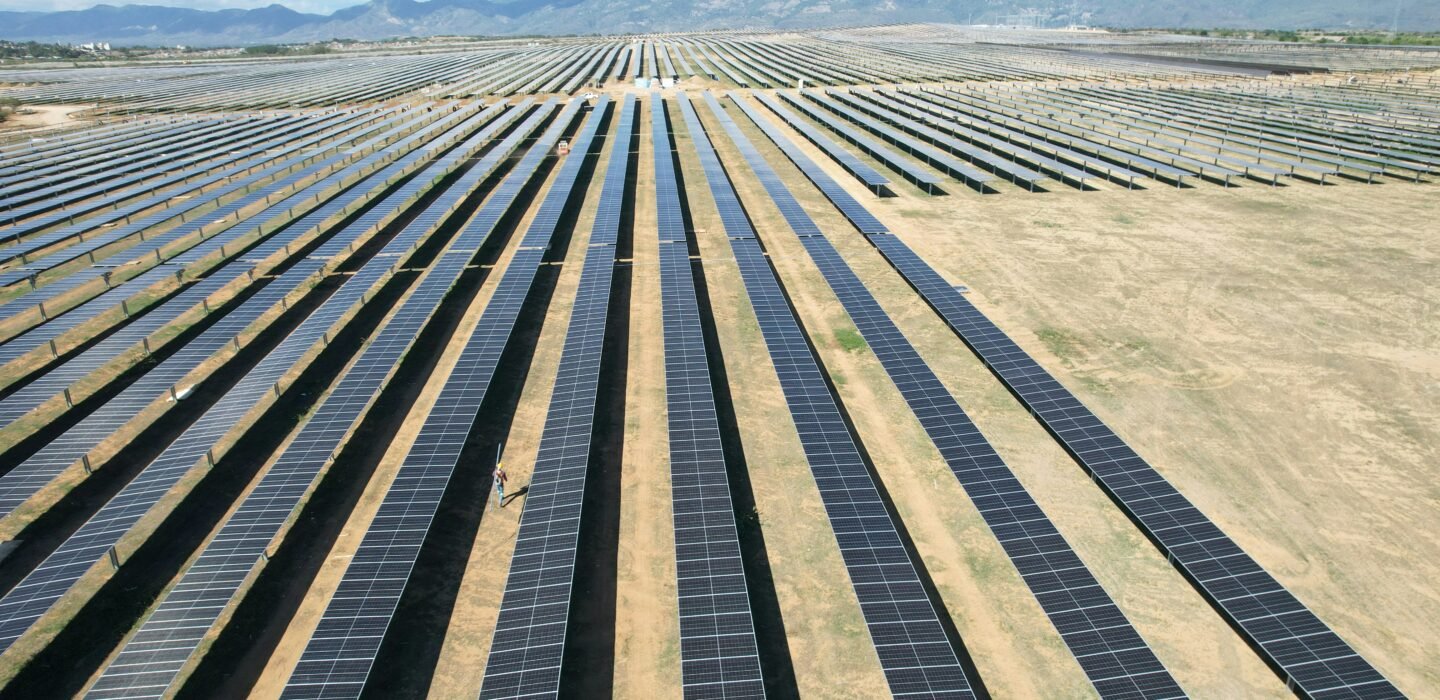
Commercial arrays require a different maintenance approach from small residential systems. A warehouse, office building, retail property, industrial facility, or commercial ground array can contain hundreds or thousands of modules, multiple inverters, long electrical runs, and several array sections.

SolarReadyHub helps businesses define maintenance requirements according to system size, installation type, site conditions, equipment, and performance concerns, as part of its wider solar panel maintenance services. The maintenance plan should focus on actual system requirements instead of applying the same service schedule to every commercial property.

Need commercial solar maintenance? SolarReadyHub can help evaluate system size, array configuration, access, and maintenance requirements. Request a site-specific estimate for routine service, inspection, cleaning, or diagnostic work.

Scope

What Does Commercial Solar Maintenance Include?

Commercial solar maintenance can combine performance monitoring, module inspection, cleaning, inverter checks, electrical observations, mounting assessment, and preventive service. Exact requirements depend on the system and maintenance agreement.

  • Solar Module Inspection

    Technicians can check modules for visible cracks, contamination, discoloration, physical damage, and other abnormalities. Large arrays may require systematic inspection by rows or sections to avoid overlooking isolated problems. Visible damage should be documented for further evaluation. Cleaning alone cannot correct a cracked or electrically damaged module.

    Solar Panel Inspection
  • Inverter Checks

    Inverters convert DC electricity generated by photovoltaic modules into AC electricity used by the facility or exported through the grid-connected system. Commercial installations can use one or multiple inverters depending on system design. Maintenance can include reviewing operating status, available fault information, and monitoring data. Persistent inverter warnings require diagnosis rather than repeated resets.

    Solar Inverter Repair
  • Mounting and Electrical Components

    Commercial arrays depend on racking, attachments, wiring, conduit, connectors, disconnects, and other electrical equipment. Maintenance can identify visible corrosion, physical damage, displaced components, or other conditions requiring further attention. Qualified personnel should handle electrical testing and repairs. Visual maintenance should not be confused with unauthorized electrical work.

Cost

How Much Does Commercial Solar Maintenance Cost?

Commercial solar maintenance requires site-specific pricing because system capacity, module quantity, installation type, accessibility, inspection scope, cleaning frequency, and equipment configuration vary substantially between facilities.

Residential annual maintenance benchmarks of roughly $390 to $720 can provide context for small systems, as detailed in solar panel maintenance cost, but these figures should not be multiplied directly to estimate commercial maintenance. Large commercial arrays can use different labor, contract, and pricing structures.

  • System Capacity

    A 50 kW business installation requires a different maintenance plan from a 500 kW rooftop array. Larger systems contain more modules and can include additional inverters, electrical equipment, and monitoring points. Capacity helps define project scale, but capacity alone cannot establish maintenance cost.

  • Number of Modules

    Module quantity affects cleaning and inspection workload. A system using higher-wattage panels can reach the same capacity with fewer modules than an older system using lower-wattage equipment. Commercial quotes should therefore consider both installed capacity and module count.

  • Site Access

    Ground-mounted systems, flat commercial rooftops, parking canopies, and steep-roof arrays require different access plans. Roof height, skylights, parapets, equipment, restricted areas, and facility operations can affect labor. Site-specific access requirements should appear in the service scope before work begins.

Frequency

How Often Should Commercial Solar Systems Be Maintained?

A commercial system should receive regular monitoring throughout the year and periodic professional inspection based on equipment, site conditions, and operational requirements. Additional service should respond to contamination, faults, severe weather, or abnormal performance.

A fixed monthly physical service visit is unnecessary for many systems. Monitoring can provide continuous information while scheduled inspections address physical conditions.

  • Routine Monitoring

    Commercial monitoring platforms can track system production and identify abnormal performance. Depending on system design, data may be available at inverter, array, or more detailed equipment levels. Facility managers should review persistent changes rather than reacting to every short-term fluctuation. Weather and seasonal sunlight naturally affect generation.

  • Scheduled Inspection

    A professional inspection at least annually provides a useful planning baseline for many commercial systems. Equipment manufacturer requirements, warranties, site conditions, and maintenance contracts can call for different intervals. Inspection frequency should reflect the actual system. High-risk or high-soiling sites may require more frequent physical attention.

    Solar Panel Maintenance Checklist
  • Event-Based Maintenance

    Hail, high winds, electrical faults, inverter alerts, construction activity, or unexpected production changes can create maintenance needs between scheduled visits. Event-based service prevents the maintenance calendar from delaying investigation of an active problem.

Cleaning

Commercial Solar Panel Cleaning and Maintenance

Cleaning represents one part of commercial maintenance. Dust, pollen, bird droppings, leaves, industrial residue, and other contaminants can accumulate on photovoltaic modules and justify periodic cleaning.

  • Condition-Based Cleaning

    Commercial arrays should be cleaned according to contamination rather than automatically following an identical schedule at every facility. Dusty industrial or agricultural locations can require more frequent cleaning than cleaner sites. Monitoring data and visual inspections can help determine whether contamination has become significant.

    Commercial Solar Panel Cleaning
  • Cleaning Large Arrays

    Large commercial systems can use water-fed equipment, manual crews, mechanized tools, or robotic cleaning depending on system design. Array geometry and site conditions determine which method provides practical coverage. Cleaning procedures should follow module manufacturer requirements. Aggressive methods can create unnecessary risk to glass, frames, seals, wiring, and nearby equipment.

Inverters

Commercial Inverter Maintenance

Inverters represent critical components in commercial photovoltaic systems. An inverter problem can affect a substantial section of system production, making inverter monitoring an important maintenance task.

  • Review Fault Information

    Commercial monitoring can provide fault codes and operating information when supported by the installed equipment. Facility managers should record recurring alerts and provide the information to technicians. A fault code identifies a starting point for diagnosis. The code should not automatically be treated as proof that the inverter itself requires replacement.

  • Keep Equipment Accessible

    Inverter locations should remain accessible for service according to equipment and site requirements. Stored materials or unrelated equipment should not block required access or ventilation. Outdoor inverters should also remain visible enough for routine observation. Vegetation and site materials should not obstruct equipment.

  • Plan for Equipment Age

    Inverters do not necessarily have the same service life as photovoltaic modules. Commercial maintenance planning should account for equipment age and manufacturer warranty terms. Maintenance records can help facility managers track recurring faults and previous service work when future repair or replacement decisions arise.

Monitoring

Commercial Solar Monitoring and Performance Checks

Performance monitoring allows facility managers to identify system changes without physically inspecting every module. Large systems particularly benefit from organized data because manual observation alone cannot efficiently track thousands of components.

  • Establish a Performance Baseline

    Historical generation provides a reference for evaluating future system behavior. Weather, seasonal sunlight, temperature, shade, and facility conditions should be considered when comparing periods. A short decline during poor weather does not automatically indicate a maintenance problem. Persistent abnormal performance under comparable conditions deserves investigation.

  • Identify Underperforming Sections

    Systems with suitable monitoring architecture can reveal whether a production problem affects the complete installation or one section. This information can narrow the physical inspection area. A targeted investigation can reduce unnecessary work. Technicians can focus on the equipment associated with the abnormal performance.

  • Document Maintenance Results

    Record production before and after major maintenance when practical. The comparison can help determine whether cleaning or corrective work produced a measurable change. Over time, this information creates a site-specific maintenance history that can improve future scheduling.

    Solar Panel Maintenance Tips

Installation Type

Rooftop vs. Ground-Mounted Commercial Maintenance

Installation type changes the maintenance process even when system capacity remains similar. Access, contamination, vegetation, drainage, and structural conditions differ between rooftop and ground-mounted arrays.

  • Commercial Rooftop Systems

    Flat commercial roofs can contain large arrays divided into multiple rows. Maintenance planning should account for roof edges, skylights, drains, HVAC equipment, membranes, and safe walking routes. Technicians should avoid damaging roofing while moving tools and equipment. Solar maintenance and roof protection need to work together.

  • Ground-Mounted Systems

    Ground-mounted systems provide easier module access but introduce vegetation, soil, drainage, wildlife, and site-security considerations. Vegetation can create shade or interfere with accessible equipment. Maintenance should keep working areas clear without damaging wiring or structural components. Soil conditions can also affect access after heavy rain.

  • Solar Carports and Canopies

    Solar canopies place modules above parking or operational areas. Maintenance can therefore require coordination with vehicles, customers, employees, or facility activities. Work areas may need temporary access control. Facility planning becomes part of the maintenance scope.

Preventive vs. Repair

Preventive Maintenance vs. Commercial Solar Repair

Preventive maintenance seeks to identify developing conditions before they become larger operational problems. Repair corrects equipment that has already become damaged or malfunctioning.

  • Preventive Maintenance

    Monitoring, cleaning, visual inspections, inverter checks, vegetation management, and documentation fall within preventive maintenance. These activities establish system condition and reveal changes. Preventive service does not guarantee that components will never fail. The objective is to improve visibility into system condition.

  • Corrective Repair

    Cracked modules, damaged wiring, failed inverters, malfunctioning electrical equipment, and damaged mounting components require corrective work. Repair scope depends on the diagnosed problem. Maintenance agreements should explain whether corrective work is included or quoted separately. Businesses need clear cost boundaries before approving repairs.

    Solar Panel Repair Services

The Contract

What Should a Commercial Maintenance Contract Include?

A useful maintenance agreement defines service frequency, equipment covered, inspection scope, cleaning responsibilities, reporting, exclusions, and repair procedures. Vague maintenance contracts make provider comparisons difficult.

  • Defined Equipment Scope

    The agreement should identify which photovoltaic equipment receives service. Modules, inverters, monitoring equipment, electrical components, and mounting systems should not be assumed to receive identical attention. System documentation can help establish the equipment list.

  • Service Schedule

    The contract should identify scheduled visits and explain how unscheduled issues are handled. Businesses should understand whether monitoring alerts can trigger additional service. Cleaning frequency should also be defined separately when cleaning forms part of the agreement.

    Professional Solar Panel Maintenance Service
  • Maintenance Reporting

    Commercial facilities benefit from written service records. Reports can document findings, work completed, faults identified, and recommended follow-up. Consistent reporting creates a maintenance history for facility managers and future technicians.

Example

Example Commercial Solar Maintenance Plan

Consider a warehouse with a 250 kW rooftop solar system. The array operates across a large low-slope roof and uses multiple inverter units, while truck traffic around the property creates recurring dust during dry months.

The facility could use ongoing production monitoring, periodic visual checks, condition-based cleaning, and a scheduled professional inspection. Additional service would occur when inverter alerts, storm events, or unusual production indicate a problem, and searching solar panel maintenance near me is a practical way to find local providers.

A second 250 kW system at a cleaner ground-mounted site could require a different cleaning and access plan despite having the same capacity. Commercial maintenance should follow equipment and site conditions rather than system size alone.

Frequently Asked Questions About Commercial Solar Maintenance

What maintenance do commercial solar panels need?

Commercial systems can require performance monitoring, module inspection, cleaning, inverter checks, mounting observations, accessible electrical checks, vegetation management, and condition-based repairs.

How often should commercial solar systems be inspected?

An annual professional inspection provides a useful baseline for many systems, but equipment requirements, site conditions, severe weather, and performance concerns can justify different intervals.

How often should commercial solar panels be cleaned?

Cleaning frequency depends on dust, rainfall, industrial activity, pollen, birds, vegetation, and actual contamination. High-soiling facilities can require several cleaning cycles per year.

Does commercial solar maintenance include repairs?

Not always. Maintenance can identify a fault, while component repair or replacement may require a separate quote. The maintenance agreement should define repair coverage.

Can monitoring replace physical solar inspections?

No. Monitoring identifies production and equipment behavior, while physical inspection identifies visible conditions that monitoring may not reveal. Commercial maintenance benefits from both approaches.

Who should perform commercial solar electrical maintenance?

Electrical testing and repair should be performed by appropriately qualified professionals according to applicable requirements. Facility staff should not treat photovoltaic wiring as ordinary cleaning equipment.

Schedule Commercial Solar Panel Maintenance

Commercial solar maintenance should combine monitoring, inspection, cleaning, preventive service, documentation, and timely repair when faults develop. The correct program depends on array size, equipment, site access, contamination, operating requirements, and system condition. SolarReadyHub helps businesses compare maintenance services without applying residential assumptions to commercial installations. A site-specific scope can define scheduled work, cleaning requirements, monitoring responsibilities, reporting, and procedures for unexpected problems. Need commercial solar panel maintenance in 2026? Request a site-specific estimate based on system capacity, module quantity, installation type, access, equipment, and maintenance requirements. Compare complete service scopes before establishing a recurring maintenance program.

Get a Free Quote

Switch to Solar Today

Learn how Solaris delivers sustainable, high-performance solar solutions to reduce energy costs and protect our planet's future.

Our Services