
Skip to content

Solar Panel Roof Cost

How roof type, condition, pitch, and mounting method change what rooftop solar actually costs in 2026.

Overview

Solar panel roof installation typically costs $18,300 to $36,400 for a residential solar panel cost project in 2026, with an average complete project around $27,100. System capacity establishes much of the starting price, while roofing material, roof condition, pitch, height, usable installation area, mounting requirements, and electrical work determine the final project cost.

The roof affects more than panel placement. A contractor must attach racking to appropriate structural points, protect penetrations from water intrusion, route electrical wiring, position modules around roof obstructions, and design the array for expected site conditions. A deteriorated roof can also require repair or replacement before installation begins.

SolarReadyHub helps homeowners evaluate the complete rooftop solar panel installation project instead of comparing panel prices alone. A detailed estimate should separate photovoltaic installation costs from roofing, electrical, storage, and other property-specific expenses. See the complete solar panel cost guide for the full picture.

Planning rooftop solar? Request an estimate based on roof conditions, system capacity, equipment, and installation requirements below.

By Size

How Much Does It Cost to Put Solar Panels on a Roof?

Rooftop solar commonly costs approximately $2.50 to $3.50 per installed watt, placing many complete residential projects between roughly $18,300 and $36,400. System capacity determines the starting budget, while roof conditions and project requirements determine whether the final price moves higher or lower.

Rooftop Solar Cost by System Size. A 6 kW rooftop system creates a planning range of approximately $15,000 to $21,000 at $2.50 to $3.50 per installed watt. At exactly $3.00 per watt, the same system would cost approximately $18,000 before substantial property-specific additions. An 8 kW system produces a starting range around $20,000 to $28,000, while a 10 kW installation reaches approximately $25,000 to $35,000. Roof repairs, electrical upgrades, battery storage, or specialized mounting can increase the complete budget beyond these basic calculations.

Panel Count and Roof Space. Panel wattage determines how many modules create the required system capacity. Fifteen 400-watt panels produce 6 kW, while twenty 400-watt panels provide 8 kW of rated capacity. The roof still needs enough productive area to accommodate those modules. Vents, skylights, chimneys, dormers, shading, setbacks, and roof geometry can reduce usable installation space even when the property’s total roof area appears sufficient.

Roof Complexity Changes the Final Price. Two 8 kW systems can carry different installation prices when one property provides a single accessible roof plane and another requires contractors to divide the array across several steep or obstructed sections. A roof-specific assessment should therefore follow any preliminary cost calculation. Contractors need to confirm mounting locations, usable area, access, shading, roofing condition, and electrical routing before establishing the final installation price.

Solar Panel Installation Cost

Roof Type

How Roof Type Affects Solar Installation Cost

Roofing material changes how contractors secure and weatherproof solar mounting equipment. Asphalt shingles, metal roofing, tile, and flat roofs require different attachment methods, hardware, labor, and installation procedures, so roof type can influence the final rooftop solar estimate.

  • Asphalt Shingle Roofs

    Asphalt shingles provide a common surface for residential rooftop solar when the roofing and underlying structure remain in suitable condition. Installers locate structural attachment points, secure mounting hardware, weatherproof the penetrations, and connect the racking system that supports the modules. Roof condition still matters. Damaged shingles, deteriorated decking, active leaks, or limited remaining service life can require roofing work before the solar contractor installs the array.

  • Metal Roofs

    Standing-seam metal roofing can support compatible clamps that attach to the raised seams when the roofing and mounting system allow that method. The approach can reduce or eliminate certain roof penetrations compared with attachment methods that require fasteners through the finished roofing surface. Other metal roof profiles require different mounting hardware. Contractors should identify the specific roofing system, seam configuration, structural support, and compatible attachment method before establishing the installation scope.

  • Tile Roofs

    Tile roofs can require additional labor because contractors need to establish structural attachments while working around roofing materials that can crack under improper loading or handling. Specialized mounting components and replacement of damaged tiles can add work to the project. The contractor should evaluate tile type and condition before installation. A roof containing deteriorated or damaged tiles can require repair before technicians begin installing racking and modules.

  • Flat and Low-Slope Roofs

    Flat and low-slope roofs require system designers to account for drainage, wind loads, access, module orientation, and mounting configuration. Depending on the structure and engineering requirements, contractors may use attached or ballasted racking. These systems can also require spacing between module rows to manage shading and provide service access. The resulting design can change how much rated solar capacity fits within the available roof area.

Roof Condition

Does Roof Condition Increase Solar Panel Cost?

Roof condition can change the total project budget because photovoltaic equipment can remain installed for decades. Installing a new array over deteriorated roofing can create future removal and reinstallation costs if the roof needs replacement before the solar equipment reaches the end of its operating life.

  • Check Roof Condition Before Installation

    Missing shingles, active leaks, deteriorated flashing, damaged decking, corrosion, and cracked tiles can indicate roofing work that needs attention before solar installation. Contractors need a suitable mounting surface and structural attachment points to secure the array. Roof age alone does not determine whether replacement is necessary. Roofing material, current condition, maintenance history, installation quality, and weather exposure provide more useful information about remaining service life.

  • Roof Replacement Before Solar

    Consider a homeowner installing a $24,000 solar system over a roof that requires replacement several years later. The future roofing project can require contractors to disconnect and remove the modules, allow roof replacement to proceed, and then reinstall the solar equipment. Completing an already necessary roof replacement before the initial solar installation can avoid duplicated removal and installation work. The homeowner should still keep roofing cost separate from the photovoltaic price when comparing solar proposals.

  • Structural Requirements

    Solar panels, racking, and mounting equipment add loads to the roof, while wind and weather create additional forces that the attachment system must address. Contractors need appropriate structural attachment points before completing the mounting design. Some properties may require additional structural evaluation or work before installation. A contractor should identify those requirements before the homeowner signs a final project agreement.

Pitch & Layout

How Roof Pitch, Height, and Layout Affect Cost

Roof geometry influences installation labor, safety procedures, module placement, and usable solar area. A simple accessible roof plane can support a more direct installation, while steep slopes, building height, obstructions, and multiple roof sections can increase project complexity.

  • Roof Pitch and Height

    Steeper roofs can require additional fall protection, access planning, equipment positioning, and installation time. Building height can create similar requirements because installers need to move panels, racking, tools, and electrical components safely to the working area. A second-story steep roof can therefore involve a different labor scope from a low-slope, single-story roof. Contractors should evaluate actual site access instead of pricing the project solely from system wattage.

  • Roof Layout and Obstructions

    Dormers, chimneys, skylights, plumbing vents, HVAC equipment, and multiple roof planes can divide usable area into smaller sections. Contractors may need to distribute modules across several roof surfaces rather than create one continuous array. More complicated layouts can also affect wiring and racking. Additional module groups can require contractors to plan electrical pathways and mounting positions around the building rather than repeating one simple installation pattern.

  • Orientation and Shading

    Available roof area does not always equal productive solar area. Trees, nearby structures, and roof orientation can reduce the amount of sunlight reaching individual sections throughout the day. For example, a home may physically fit 24 modules but provide productive, minimally shaded space for only 18. Installing the remaining six modules in substantially weaker locations can increase project cost without delivering equivalent electricity production.

Roof vs. Ground

Roof-Mounted vs. Ground-Mounted Solar Cost

Roof-mounted solar uses the existing building as the installation location, while ground-mounted solar requires a separate support structure. Ground mounting can introduce foundations, dedicated racking, trenching, site preparation, and longer electrical runs, but property conditions determine which design provides the stronger installation option.

  • When Roof-Mounted Solar Makes Sense

    A structurally suitable roof can eliminate the need to build a separate ground support system. Rooftop installation also preserves yard or open land, making the configuration practical for properties with limited ground area. Roof mounting works best when the property provides enough productive roof area for the required capacity. Roof condition, orientation, shading, pitch, and access should support the proposed array before the contractor finalizes the design.

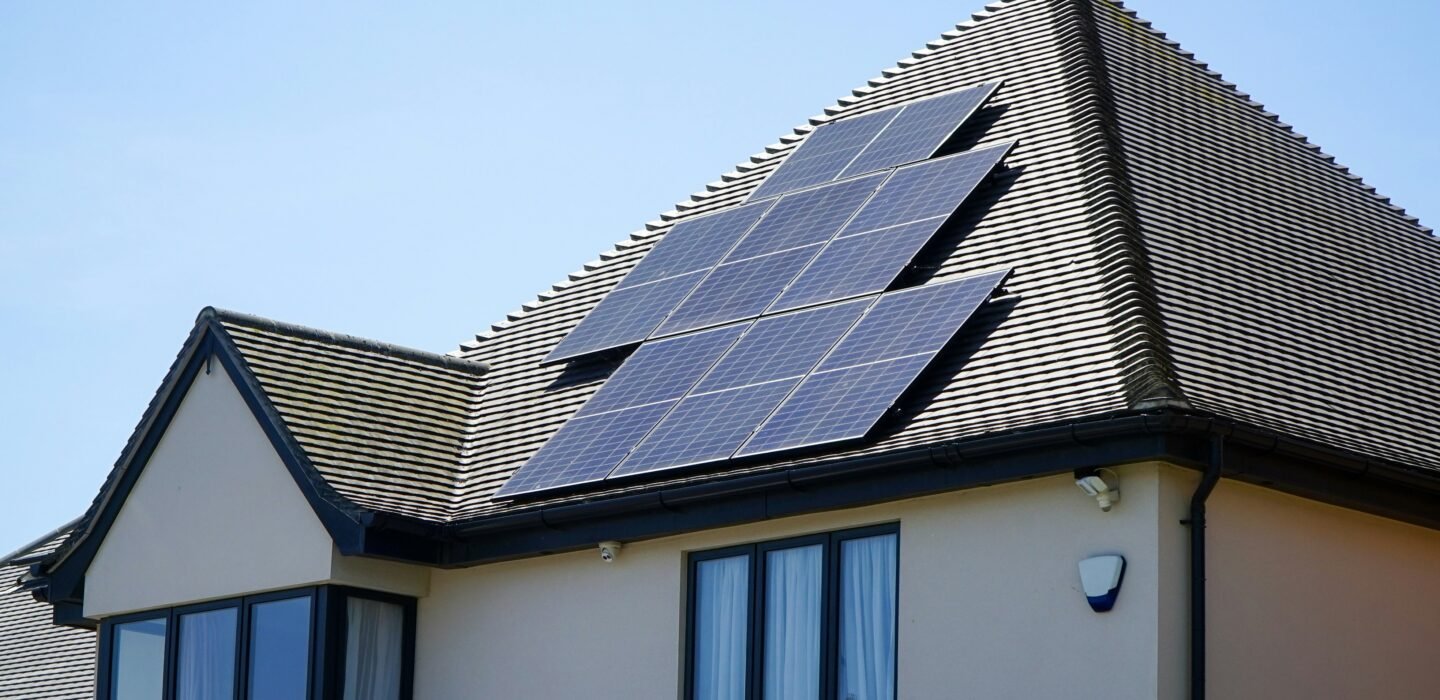
    Installing Solar Panels on a Roof
  • When Ground-Mounted Solar Makes Sense

    Ground mounting can provide an alternative when the roof has limited usable area, substantial shading, unsuitable orientation, or conditions that make rooftop installation impractical. Available land can give designers more flexibility over module tilt and orientation. Ground arrays can require posts or foundations, racking, trenching, underground wiring, and site preparation. Those additional components can increase installation cost compared with a straightforward roof-mounted project.

    Ground Mount Solar Installation
  • Compare Production With Installation Scope

    The lowest initial price should not determine the mounting method by itself. Homeowners should compare available space, expected production, roof condition, site preparation, electrical routing, access, and complete installation cost. SolarReadyHub evaluates the mounting configuration around the property and energy requirements. That approach prevents homeowners from selecting rooftop or ground mounting solely because one option carries a lower advertised starting price.

Other Costs

What Other Costs Affect Rooftop Solar?

A rooftop solar estimate can include expenses beyond panels and standard installation labor. Electrical work, permits, battery storage, tree work, and necessary roof repairs can increase the complete project budget without necessarily adding photovoltaic capacity.

  • Electrical Upgrades

    Some homes can support the proposed solar connection with limited electrical modification, while others require additional work before interconnection. Existing electrical equipment and the proposed solar design determine the required scope. Electrical improvements should remain identifiable in the proposal when possible. Separating a required upgrade from photovoltaic pricing helps homeowners understand why the complete project exceeds a basic per-watt estimate.

  • Permits and Inspections

    Grid-connected solar projects generally require applicable permits, inspections, and utility interconnection procedures. Requirements and costs vary by jurisdiction and utility territory, making location an important part of the project scope. Homeowners should confirm whether the contractor includes these responsibilities and expenses in the quoted installation price. Clear scope prevents permit or inspection charges from appearing unexpectedly later.

  • Battery Storage

    Battery storage represents a substantial optional addition rather than a standard component of every rooftop solar system. Residential storage can add around $10,000 or more depending on battery capacity, quantity, electrical configuration, and backup requirements. Battery pricing should remain separate from solar cost per watt because storage does not increase photovoltaic capacity. Separating both components allows homeowners to compare solar-only and solar-plus-storage proposals accurately.

  • Roof and Tree Work

    Roof repairs or replacement can become necessary when existing roofing cannot reasonably support a long-term solar installation. Contractors should identify those conditions before mounting the array rather than after installation begins. Trees can create a separate issue when substantial shading limits productive roof area. Any trimming or removal decision should consider tree condition, ownership, local requirements, homeowner priorities, and the expected effect on solar production.

Comparing Quotes

How to Compare Rooftop Solar Quotes

Homeowners should compare rooftop solar proposals using system capacity, cost per watt, roof requirements, equipment, expected production, and project scope. Total price alone can mislead when contractors propose different capacities or include different types of property work.

Proposal Total Price and Cost per Watt
6 kW system $21,000 total — $3.50 per watt
8 kW system $25,000 total — approximately $3.13 per watt

The larger array installs additional capacity at a lower cost per watt, but household electricity requirements still need to justify the additional 2 kW. Cost per watt provides a comparison metric rather than an automatic purchasing decision.

Solar Panel Cost Per Watt
  • Compare Roof Work and Equipment

    One contractor may include mounting hardware, flashing, minor roof preparation, permitting, and electrical work, while another proposal may exclude some of those items. Homeowners should identify those differences before comparing the final totals. Panel model, module wattage, inverter configuration, racking, monitoring equipment, and expected annual production also deserve comparison. Generic descriptions such as u201chigh-efficiency panelsu201d provide less information than specific equipment specifications.

  • Review the Roof Assessment

    A complete proposal should identify the roof sections used for the array, mounting approach, shading considerations, and conditions requiring correction before installation. The assessment should connect the proposed design with the actual property. SolarReadyHub recommends comparing cash price, installed capacity, cost per watt, expected production, roof requirements, equipment, inclusions, exclusions, and financing terms. Those attributes provide more useful information than the final dollar amount alone.

    Solar Panel Financing Options

SolarReadyHub helps homeowners evaluate the roof and photovoltaic system as one coordinated project while keeping unrelated expenses identifiable. See solar panel cost by state for regional benchmarks, or explore SolarReadyHub’s complete range of solar panel services before requesting an estimate.

Frequently Asked Questions About Solar Panel Roof Cost

How much does it cost to install solar panels on a roof?

Residential rooftop solar commonly costs about $18,300 to $36,400, with installed pricing often around $2.50 to $3.50 per watt. System capacity, roofing material, roof condition, equipment, labor, electrical work, and location determine the final amount.

Does roof type affect solar panel installation cost?

Yes. Asphalt shingles, metal roofing, tile, and flat roofs require different mounting methods, hardware, and labor. Roof condition, pitch, access, structure, and layout can further change the installation scope.

Should I replace my roof before installing solar panels?

Roof replacement can make sense when significant deterioration or limited remaining service life makes near-term replacement likely. A roof assessment should evaluate actual condition rather than relying on roof age alone.

Do steep roofs cost more for solar installation?

Steep roofs can increase labor because contractors may need additional access planning, fall protection, equipment positioning, and working time. Building height, roofing material, system size, and site conditions also affect the final price.

Is ground-mounted solar more expensive than rooftop solar?

Ground mounting can cost more when the project requires foundations, dedicated racking, trenching, site preparation, and longer electrical runs. Ground-mounted systems can still make sense when roof condition, shading, orientation, or available area limits rooftop solar.

Does rooftop solar cost include roof repairs?

Not necessarily. Roofing repairs should remain separate unless the contractor specifically includes the work in the proposal. Homeowners should confirm roof condition, required preparation, and exclusions before approving installation.

Get a Rooftop Solar Installation Estimate

Rooftop solar commonly costs $18,300 to $36,400 for a residential installation in 2026, but roof conditions can materially change the complete project scope. System capacity establishes the starting budget, while roofing material, roof condition, pitch, layout, shading, electrical requirements, and mounting design determine the work required at the property. SolarReadyHub helps homeowners evaluate the roof and photovoltaic system as one coordinated project while keeping unrelated expenses identifiable. A detailed estimate should explain installed capacity, mounting approach, equipment, roof requirements, electrical work, inclusions, exclusions, and complete cash price. Planning solar panels for your roof? Request a property-specific estimate based on roof conditions, system capacity, equipment, and installation requirements.

Get a Free Quote

Switch to Solar Today

Learn how Solaris delivers sustainable, high-performance solar solutions to reduce energy costs and protect our planet's future.

Our Services