
Skip to content

Roof Mount Solar Panel Installation

How rooftop solar is installed, which roofs suit it, how roof condition, orientation and material affect the project, and what it costs.

Overview

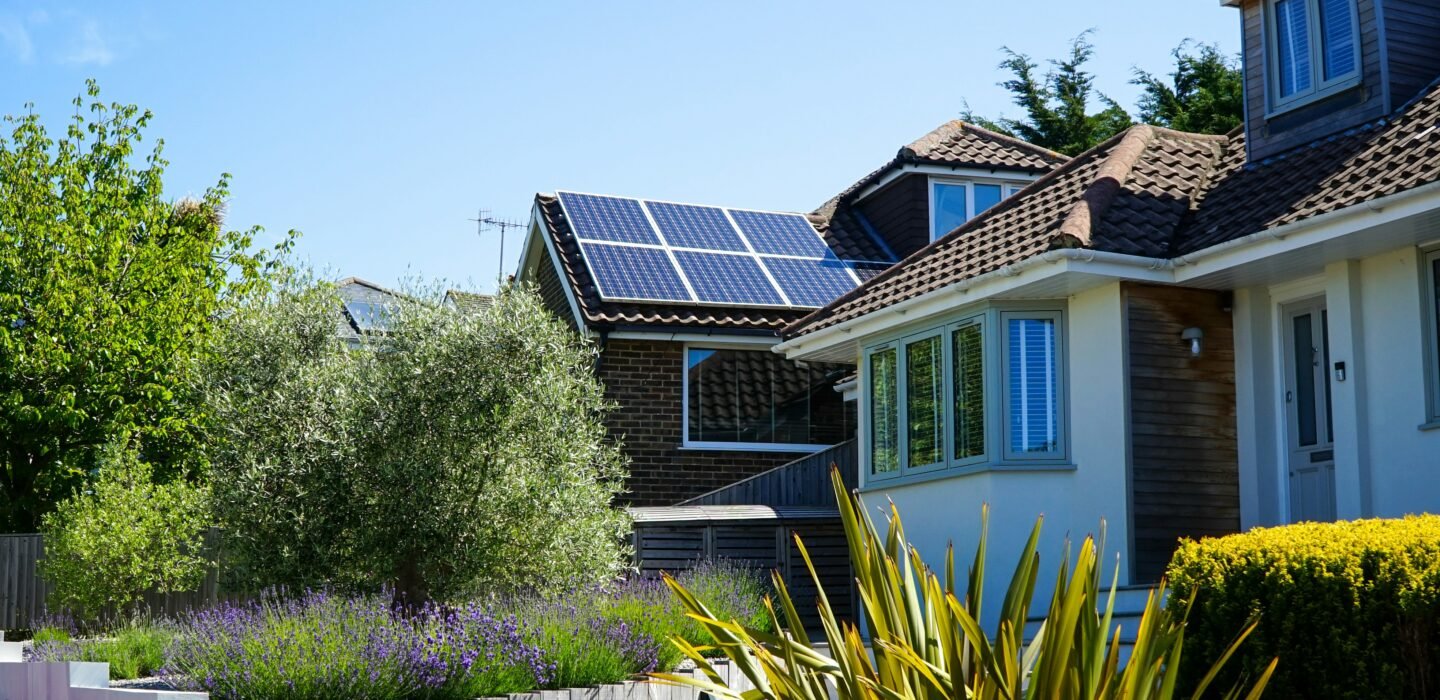
Roof mount solar panel installation secures photovoltaic modules to a home’s roof using racking, attachment hardware, flashing, electrical wiring, and compatible inverter equipment. A suitable roof needs adequate structural condition, usable sunlight, sufficient installation area, and enough remaining service life to support the planned solar system.

Rooftop solar remains a practical residential configuration because the array uses existing building space instead of occupying additional land. Installation cost commonly forms part of a complete residential solar project priced around $2.50 to $3.50 per watt, although roof material, pitch, height, access, structural work, mounting hardware, and electrical requirements can change the final price.

SolarReadyHub helps homeowners evaluate roof conditions and solar requirements before installation begins, as part of its wider solar panel installation services. A roof assessment can identify usable area, shade, obstructions, mounting conditions, and potential roofing work before the homeowner commits to a photovoltaic design.

Considering solar panels for a residential roof? SolarReadyHub can help evaluate electricity consumption, usable roof area, system capacity, and installation requirements before equipment is selected. Request a property-specific estimate to understand how roof conditions affect the proposed solar project.

The Process

How Does Roof Mount Solar Panel Installation Work?

A roof-mounted system attaches photovoltaic modules to structural roof components through a mounting system designed for the roofing material and project conditions. Installers then connect the modules electrically, route conductors, install inverter equipment, and integrate the array with the property’s electrical system.

  • Roof Assessment and Array Layout

    Installers first measure usable roof area and identify orientation, pitch, shade, vents, chimneys, skylights, HVAC equipment, and other obstructions. These conditions determine where modules can physically fit and which roof sections can contribute useful solar production. The final layout should balance available space with the required system capacity. Filling every available roof section does not automatically produce the most appropriate design when some sections receive substantial shade or have unsuitable orientations.

  • Mounting the Solar Panels

    Installers secure mounting equipment according to the roofing system and engineered installation requirements. Rails or rail-less mounting components then support the photovoltaic modules and maintain the designed position above the roof surface. Attachment methods vary by roofing material and mounting system. Proper flashing, sealing, hardware placement, and installation procedures protect the building envelope while transferring system loads into suitable structural components.

    Solar Panel Installation Process
  • Completing Electrical Connections

    After mounting the modules, installers connect the photovoltaic circuits and route conductors toward inverter and electrical equipment. The system then connects to the home's electrical infrastructure according to the approved design. Required inspections and utility procedures follow applicable local rules. Physical installation can finish before the system receives authorization for normal grid-connected operation.

Roof Types

What Roofs Are Suitable for Solar Panels?

A suitable solar roof combines adequate structural condition, usable area, manageable shade, appropriate mounting options, and sufficient remaining roof life. Roof material alone rarely determines suitability because installers can work with several common roofing systems using different mounting methods.

  • Asphalt Shingle Roofs

    Asphalt shingles provide a common surface for residential rooftop solar. Installers typically locate structural attachment points, install mounting hardware with appropriate flashing, and secure the racking system above the roofing surface. Roof condition still matters. Brittle, curling, missing, or heavily deteriorated shingles can indicate that roofing work should occur before the photovoltaic array is installed.

  • Metal Roofs

    Many metal roofs can support photovoltaic systems, but mounting methods depend on the roof profile. Standing-seam metal roofs can allow compatible clamps to attach to seams without using the same penetration method required for some other roofing materials. Corrugated and exposed-fastener metal roofs use different attachment approaches. Installers need to identify the specific roof construction before selecting mounting hardware.

  • Tile Roofs

    Clay and concrete tile roofs can support solar installations, but tile handling and mounting require additional care. Installers may need specialized hooks, replacement flashing components, or other mounting solutions designed for the roof type. Tile breakage and access can add labor compared with a straightforward asphalt-shingle project. The proposal should account for the actual roof material rather than treating every rooftop installation as identical.

  • Flat and Low-Slope Roofs

    Flat and low-slope roofs can use mounting systems that position panels at a suitable angle while managing wind, structural loads, drainage, and roof access. Some systems use ballast while others require mechanical attachment. Commercial buildings frequently use this configuration, but residential flat roofs can also support photovoltaic arrays. Structural capacity and roofing membrane requirements need evaluation before the final mounting design is selected.

    Commercial Solar Panel Installers

Roof Condition

How Does Roof Condition Affect Solar Installation?

Solar panels can remain in service for decades, making the condition of the supporting roof important before installation. Placing a new photovoltaic array over a roof approaching replacement can create avoidable removal and reinstallation work later.

  • Roof Age and Remaining Life

    Roof age alone does not establish condition because roofing materials and exposure vary. An assessment should look for deterioration, active leaks, damaged materials, previous repairs, and other signs that could affect the solar project. When substantial roof replacement is already expected soon, completing roofing work first can simplify long-term ownership. The new photovoltaic array can then remain in place rather than being removed for planned roof replacement shortly after installation.

  • Structural Capacity

    Solar modules, mounting equipment, and environmental loads add weight and forces to the roof structure. The building therefore needs adequate structural capacity for the proposed configuration. Some projects can require additional structural review depending on building age, construction, system size, local requirements, or observed conditions. Necessary reinforcement becomes part of the property-specific project rather than the standard panel installation.

  • Existing Roof Damage

    Leaks, damaged decking, deteriorated flashing, broken tiles, or compromised roofing materials should be identified before mounting begins. Solar installation does not repair unrelated roof defects automatically. Homeowners should establish whether the solar contractor or a roofing contractor handles any required repairs. Separating responsibilities in writing reduces confusion if both scopes occur during the same project.

    Solar Installation Companies

Orientation

What Direction Should Roof-Mounted Solar Panels Face?

Panel orientation affects the timing and quantity of solar production, but no single direction provides the only workable configuration for every property. Roof geometry, shade, local solar conditions, electricity consumption patterns, and available area all influence layout.

  • South-Facing Roof Sections

    In much of the United States, south-facing roof areas can provide strong annual solar exposure. These sections often receive substantial sunlight across the day and can support productive photovoltaic layouts. A south-facing roof is not a requirement for solar. Other orientations can still produce useful electricity, particularly when the property provides sufficient unshaded area.

  • East and West Roof Sections

    East-facing modules generate more electricity earlier in the day, while west-facing modules shift more production toward the afternoon. Homes with limited south-facing space can use east and west roof planes to achieve the required array capacity. Consumption patterns can also matter. A west-facing section can align part of solar generation with higher afternoon household demand, depending on local conditions and season.

  • Shade and Obstructions

    Trees, neighboring buildings, chimneys, roof structures, and other objects can reduce sunlight reaching modules. Shade patterns also change throughout the day and year. Installers should account for these conditions during system design. Moving modules to more productive roof sections can sometimes provide better results than maximizing panel count in heavily shaded areas.

Cost

How Much Does Roof Mount Solar Installation Cost?

A complete residential rooftop solar installation commonly costs around $18,000 to $36,000, with installed prices frequently near $2.50 to $3.50 per watt. The roof itself can move pricing higher when the project requires specialized mounting, difficult access, structural work, or roofing repairs; see solar panel installation cost for the wider pricing picture.

  • Roof Complexity Changes Labor

    A simple rectangular roof provides installers with continuous working space and can support an uncomplicated module layout. Dormers, valleys, multiple roof levels, steep sections, and numerous obstructions increase layout and installation complexity. Building height also affects access. A multi-story installation can require different safety measures and material handling than a comparable array on an accessible single-story home.

    Solar Panel Roof Cost
  • Roofing Material Changes Mounting Requirements

    Asphalt shingles, standing-seam metal, tile, and flat roofing systems use different attachment methods. Specialized hardware and additional installation time can increase costs on more complex roof types. Homeowners should therefore provide accurate roofing information when requesting estimates. A quote based on the wrong roof material may not reflect the actual installation scope.

  • Roof Repairs Are Separate Costs

    Necessary roof replacement or substantial repairs can add thousands of dollars beyond the photovoltaic installation. The amount depends on roof size, material, condition, local labor, and the work required. A solar quote should identify whether roofing work appears in the contract. Combining unrelated roof expenses with solar pricing can make cost-per-watt comparisons between photovoltaic proposals less meaningful.

On the Roof

What Happens to the Roof When Solar Panels Are Installed?

A professionally designed rooftop system creates attachment points capable of supporting the photovoltaic array while maintaining weather protection. The specific installation method depends on roofing material, mounting hardware, structural design, and manufacturer requirements.

  • Roof Attachments

    Many sloped-roof systems use attachments secured to suitable structural members beneath the roofing surface. Flashing and compatible sealing methods help manage water around penetration points. Some roof systems use alternative attachment methods. Standing-seam metal roofs, for example, can support compatible clamps that attach directly to seams under appropriate conditions.

  • Racking and Module Placement

    Racking creates the structural interface between roof attachments and photovoltaic modules. Installers align and secure the system according to the approved layout and equipment requirements. Adequate spacing also supports drainage, equipment requirements, and ventilation beneath modules. Installers must follow applicable mounting specifications rather than placing panels directly against the roofing surface.

    Monocrystalline Solar Panels
  • Wiring Routes

    Electrical conductors connect modules with inverter and balance-of-system equipment. Contractors select wiring routes according to electrical requirements, roof layout, equipment location, and aesthetic considerations. A clear wiring plan can reduce unnecessary exposed runs while maintaining accessibility and code compliance. The final route remains property-specific because electrical equipment locations vary among homes.

Roof vs. Ground

Roof Mount vs. Ground Mount Solar

Roof mounting uses an existing structure, while ground mount solar installation builds a dedicated support system elsewhere on the property. Both configurations generate electricity using photovoltaic modules, but land use, mounting, access, design flexibility, and installation costs differ.

  • When Roof Mounting Makes Sense

    Roof mounting works well when the property has sufficient structurally suitable, relatively unshaded roof area. The system uses space that already exists and avoids dedicating part of the yard to solar equipment. Rooftop installation can also reduce trenching compared with a distant ground array. Actual advantages depend on the location of the electrical equipment and building layout.

    Residential Solar Installation
  • When Ground Mounting May Work Better

    A ground-mounted system can provide an alternative when the roof has extensive shade, limited usable area, unsuitable orientation, structural constraints, or near-term replacement requirements. Available land can allow greater freedom in array placement. Ground mounting adds a dedicated support structure and can require excavation, foundations, trenching, fencing, or other site work. Those requirements should be compared with the challenges and costs associated with using the roof.

Timeline

How Long Does Rooftop Solar Installation Take?

Many straightforward residential rooftop arrays can be physically installed in approximately one to three days. Larger systems, difficult roofs, electrical upgrades, structural work, weather, and specialized mounting can extend the construction period; see how long solar panel installation takes for the full project timeline.

  • Before Installation Day

    Site assessment, system design, engineering where required, and permitting occur before crews begin mounting modules. Equipment also needs to be available and scheduled for the project. These steps can take considerably longer than physical construction. Homeowners should therefore distinguish total project duration from the number of days installers spend on the roof.

  • After the Panels Are Installed

    Required inspections can follow physical installation. Grid-connected projects can also require completion of the utility's interconnection and authorization process. A finished array should not be assumed to have immediate permission for normal grid-connected operation. The contractor should explain the remaining steps and who handles each requirement.

Frequently Asked Questions About Roof Mount Solar Panels

Can solar panels be installed on an old roof?

Solar panels can sometimes be installed on an older roof when the structure and roofing remain in suitable condition. A roof approaching replacement should be evaluated first because later roofing work can require panel removal and reinstallation.

Does installing solar panels damage a roof?

Correctly designed mounting systems use roof-specific attachment and weatherproofing methods. Poor workmanship or unsuitable installation can create problems, making contractor qualifications and mounting procedures important considerations.

How many solar panels can fit on a roof?

Panel quantity depends on usable roof dimensions, module size, required clearances, obstructions, shade, and roof geometry. System capacity should be calculated from panel wattage and quantity rather than panel count alone.

Can solar panels be installed on a tile roof?

Yes. Clay and concrete tile roofs can support photovoltaic systems using appropriate mounting methods. Tile handling, specialized hardware, and additional labor can make installation more complex than some asphalt-shingle projects.

Can solar panels be installed on a metal roof?

Yes. Several metal roof types can support photovoltaic arrays. Standing-seam roofs can use compatible clamps in some configurations, while other metal roofing profiles require different attachment methods.

How much does rooftop solar installation cost?

Complete residential rooftop solar systems commonly cost approximately $18,000 to $36,000, with many installations around $2.50 to $3.50 per watt. System size, roof material, pitch, access, equipment, electrical work, and required repairs determine the final price.

Plan a Roof Mount Solar Installation

A productive rooftop solar project starts with more than measuring available square footage. Roof condition, structure, orientation, shade, material, pitch, obstructions, system capacity, electrical infrastructure, and expected electricity consumption all influence the final design. SolarReadyHub helps homeowners evaluate these conditions before committing to a rooftop photovoltaic system. Establishing the property's requirements first makes it easier to compare system layouts, installation proposals, equipment, and complete project costs. Planning to install solar panels on your roof? Request an estimate based on electricity consumption, roof material, usable area, structural conditions, system capacity, and electrical requirements. A property-specific assessment can show how the roof affects both solar design and installation cost.

Get a Free Quote

Switch to Solar Today

Learn how Solaris delivers sustainable, high-performance solar solutions to reduce energy costs and protect our planet's future.

Our Services