
Skip to content

Monocrystalline Solar Panels

How monocrystalline solar cells work, what they cost, how efficient they are, and how to compare them against polycrystalline panels.

Overview

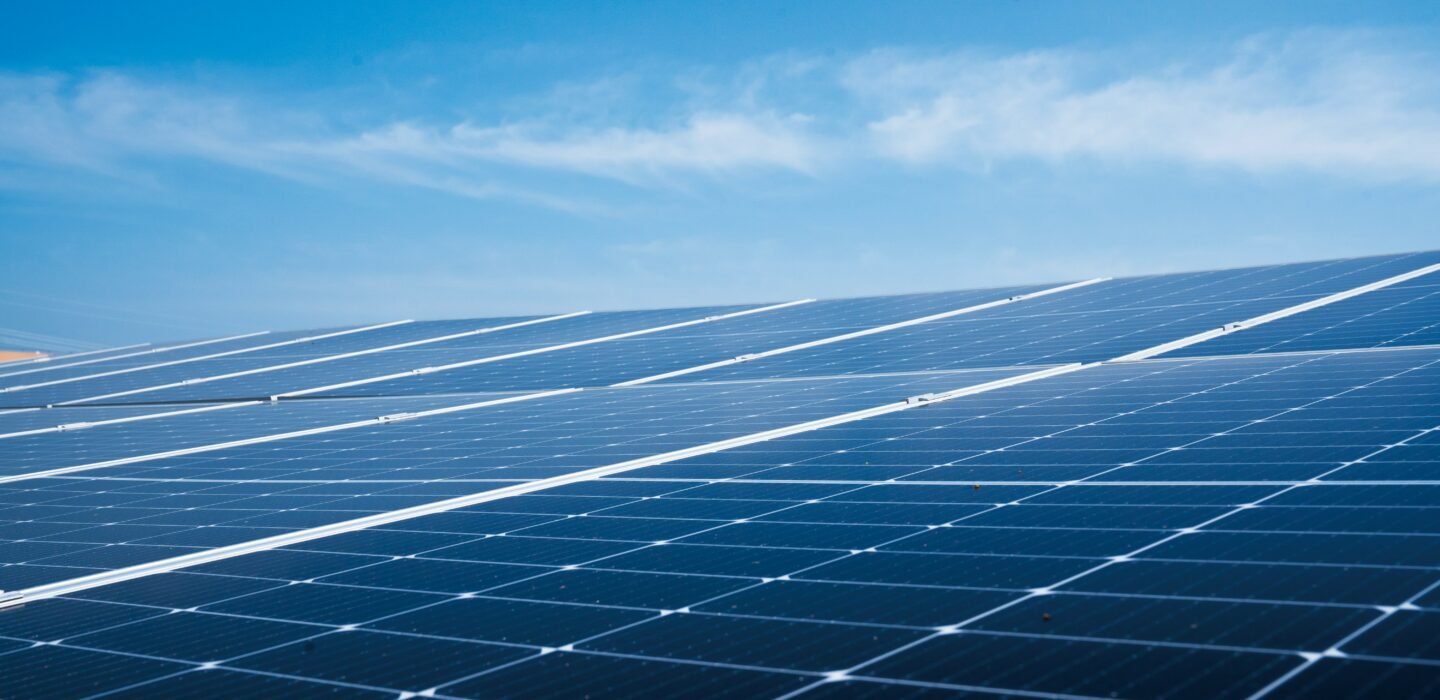
Monocrystalline solar panels use photovoltaic cells made from single-crystal silicon, giving electrons a consistent crystal structure to move through. Modern residential monocrystalline modules commonly deliver approximately 19% to 23% efficiency, making this technology especially useful when a property needs substantial generating capacity from limited productive roof space.

Monocrystalline technology dominates many current residential installations because manufacturers can package higher wattage into a relatively compact module. Homeowners comparing panels should still evaluate module wattage, efficiency, degradation, warranty terms, system capacity, expected annual production, and total installed cost rather than choosing a panel based on cell technology alone.

SolarReadyHub helps homeowners match solar equipment with electricity consumption, roof dimensions, shading, and installation requirements. The goal isn’t simply to install the highest-efficiency panel available, but to design an array that delivers the required capacity and projected electricity production for the property.

Considering monocrystalline solar panels? Request a solar panel installation estimate based on household electricity consumption, usable installation space, required system capacity, and equipment specifications.

The Basics

What Are Monocrystalline Solar Panels?

Monocrystalline solar panels contain cells produced from a single-crystal silicon structure. Manufacturers process high-purity silicon into cylindrical ingots, slice the material into wafers, manufacture photovoltaic cells, and assemble those cells into modules that convert sunlight into direct-current electricity.

  • How Monocrystalline Solar Cells Work

    Sunlight striking a photovoltaic cell transfers energy to electrons within the semiconductor material. The cell's internal electric field directs electrical charge, allowing the module to produce direct-current electricity. The solar array sends that electricity toward inverter equipment, which converts direct current into alternating current for household use. System performance therefore depends on more than the modules because inverters, wiring, orientation, shading, temperature, and system design also affect usable production.

    Solar Inverter Types
  • Why Single-Crystal Silicon Matters

    A monocrystalline cell uses a continuous silicon crystal structure rather than multiple crystal fragments. The manufacturing process supports efficient electron movement and allows manufacturers to produce modules with relatively high conversion efficiency. Higher module efficiency means a panel can generate more rated power from a given surface area compared with a lower-efficiency module of similar dimensions. That characteristic becomes particularly useful on homes with restricted productive roof space.

Efficiency

How Efficient Are Monocrystalline Solar Panels?

Modern residential monocrystalline panels commonly operate around 19% to 23% module efficiency, although exact specifications vary by manufacturer and model. Efficiency measures how much incoming solar energy a module converts into electrical energy under standardized testing conditions.

  • What Solar Panel Efficiency Means

    A 22% efficient panel converts a greater proportion of incoming solar energy into electricity than an 18% efficient panel under equivalent test conditions. Efficiency does not mean that a 22% panel produces electricity at maximum rated output during every hour of daylight. Temperature, sunlight intensity, shading, orientation, dirt accumulation, wiring, inverter performance, and other conditions influence real-world output. Homeowners should therefore evaluate projected annual kWh production in addition to the efficiency percentage printed on a specification sheet.

  • Efficiency and Roof Space

    Efficiency becomes especially important when a roof offers limited productive area. Suppose one module produces 400 watts while another similarly sized module produces 450 watts. Twenty 400-watt panels create an 8 kW array, while twenty 450-watt modules create a 9 kW array. The higher-output modules add 1 kW of rated capacity without requiring five additional 400-watt panels. Homes with skylights, vents, chimneys, shading, or multiple roof planes can benefit from that higher power density.

  • Higher Efficiency Does Not Guarantee Higher Value

    A higher efficiency rating can help maximize capacity, but homeowners should not evaluate efficiency independently from price. A higher-output panel that substantially increases project cost may not produce the strongest financial result when the property has abundant installation space. SolarReadyHub recommends comparing installed system cost, total capacity, module count, projected annual generation, usable roof space, and equipment specifications together. Those attributes reveal more about the complete installation than efficiency alone.

Cost

How Much Do Monocrystalline Solar Panels Cost?

Monocrystalline modules can cost approximately $1.00 to $1.50 per watt for the panel equipment itself, depending on manufacturer, output, efficiency, quantity, and supplier conditions. The complete installed system costs substantially more because modules represent only one component of a residential solar panel cost.

  • Panel Cost vs. Installed Solar Cost

    At $1.00 to $1.50 per watt, 6 kW of module capacity represents approximately $6,000 to $9,000 in simplified panel-equipment value. That calculation should not be treated as the price of a complete 6 kW solar installation. A finished system also requires inverter equipment, racking, wiring, electrical components, mounting hardware, design, labor, permitting, inspection, commissioning, and utility interconnection. Complete residential solar installations can therefore reach roughly $18,300 to $36,400, depending on capacity and property requirements.

  • Cost of an 8 kW Monocrystalline System

    An 8 kW residential system priced around the broader installed benchmark of $2.50 to $3.50 per watt creates a planning range of approximately $20,000 to $28,000. Monocrystalline panels form part of that price, while the balance covers the remaining equipment and installation scope. A homeowner should not multiply module retail pricing by the number of panels and expect the result to equal a contractor quote. Complete installation pricing accounts for the system as an integrated electrical and structural project.

    Residential Solar Panel Cost
  • When Higher-Cost Panels Can Make Sense

    Higher-output monocrystalline modules can make sense when roof area limits the number of panels a contractor can install. Paying more per module can allow the array to reach the required capacity without expanding beyond productive roof sections. For example, eighteen 450-watt modules provide 8.1 kW of capacity, while eighteen 350-watt modules provide only 6.3 kW. The additional 1.8 kW can materially change projected annual generation when the roof cannot accommodate more modules.

Comparison

Monocrystalline vs. Polycrystalline Solar Panels

Monocrystalline and polycrystalline solar panels both use crystalline silicon to convert sunlight into electricity, but the silicon manufacturing process differs. Monocrystalline cells use single-crystal material, while traditional polycrystalline cells contain multiple silicon crystal fragments.

  • Efficiency and Power Density

    Monocrystalline modules generally provide higher efficiency and power density than traditional polycrystalline products. Higher power density allows contractors to install more rated capacity within a fixed roof area. Polycrystalline modules have historically offered lower equipment costs, but the price difference does not automatically determine the better system. Complete installed cost and projected electricity generation provide stronger comparison metrics.

  • Appearance

    Monocrystalline cells commonly produce the dark black appearance associated with many modern residential arrays. Traditional polycrystalline cells often display a bluer appearance because of differences in crystal structure and manufacturing. Appearance has little direct relationship with the amount of electricity a complete system will produce. Roof orientation, module specifications, array capacity, shading, and system design matter substantially more for energy performance.

Which Technology Works Better for Limited Space?

Monocrystalline panels generally provide an advantage when productive roof area remains limited because higher efficiency can fit more rated wattage into the available surface. Homes with extensive unshaded installation space may have greater flexibility when comparing technologies.

The contractor should calculate required capacity before selecting modules. Starting with electricity consumption and usable installation area prevents panel technology from driving the design without considering the property’s actual requirements.

Performance

What Affects Monocrystalline Panel Performance?

Rated module efficiency provides one performance measurement, but real-world electricity production depends on the complete installation environment. Sunlight, shading, orientation, temperature, module placement, inverter design, contamination, and equipment condition can all affect output.

  • Roof Orientation and Solar Exposure

    Panels generate electricity whenever sufficient sunlight reaches the photovoltaic cells, but annual production changes with orientation and solar exposure. Contractors model the available solar resource when determining where to place modules. Two homes with identical 8 kW monocrystalline arrays can therefore generate different annual kWh totals. A heavily shaded roof can produce less electricity than an unobstructed roof even when both systems use identical equipment.

  • Shading

    Trees, neighboring buildings, chimneys, dormers, vents, and other objects can cast shadows across the array. The effect depends on shading duration, module placement, electrical configuration, season, and equipment. System designers can use layout changes and appropriate inverter configurations to address some shading conditions. Removing every source of shade is neither possible nor necessary, so the design should focus on productive module placement.

  • Temperature

    Solar panels can continue producing electricity during hot weather, but photovoltaic module output generally declines as cell temperature rises above standard test conditions. Manufacturers specify a temperature coefficient that indicates how module power changes as temperature increases. A smaller negative temperature coefficient means output declines less rapidly as module temperature rises. Homeowners in warmer climates can include that specification when comparing otherwise similar panels.

Lifespan

How Long Do Monocrystalline Solar Panels Last?

Monocrystalline modules can remain operational for 25 to 30 years or longer, but electricity output gradually declines as photovoltaic materials age. Service life should therefore be considered separately from the period covered by a manufacturer’s product or performance warranty.

  • Solar Panel Degradation

    Photovoltaic modules lose a small portion of generating capability over time. Many current panel specifications describe long-term performance through an annual degradation assumption and a guaranteed output level at a defined warranty milestone. For example, a module rated at 400 watts when new will not necessarily retain the complete 400-watt rating decades later. Homeowners should review the specific manufacturer's degradation and performance documentation instead of applying one universal percentage to every product.

  • Product and Performance Warranties

    Solar modules can carry separate product and performance warranties. A product warranty generally addresses qualifying defects in the physical equipment, while a performance warranty establishes specified output expectations across a defined period. Warranty duration alone should not determine panel selection. Homeowners should review covered conditions, exclusions, degradation guarantees, claim procedures, manufacturer responsibilities, and installer workmanship coverage separately.

  • Maintenance and Service Life

    Monocrystalline modules contain no moving mechanical parts within the panel, which limits routine mechanical maintenance. Monitoring, periodic inspection, condition-based cleaning, and timely repair of system faults can help maintain normal operation. Maintenance cannot prevent normal photovoltaic degradation. Maintenance instead identifies contamination, damage, wiring problems, inverter issues, loose components, or other conditions that can reduce production beyond expected aging.

Residential Fit

Are Monocrystalline Panels Good for Residential Solar?

Monocrystalline panels work well for many residential installations because high power density helps contractors reach required system capacity within available roof space. Suitability still depends on electricity consumption, roof conditions, shading, project budget, equipment specifications, and expected production.

  • Homes With Limited Roof Space

    A home requiring 8 kW of capacity needs twenty 400-watt panels or approximately eighteen 450-watt panels. Higher-wattage modules can therefore reduce module count when the roof cannot accommodate a larger array. Fewer modules do not automatically mean a simpler or cheaper installation. Module dimensions, roof layout, racking, inverter configuration, setbacks, obstructions, and electrical design still determine the complete system layout.

    Installing Solar Panels on Roof
  • Homes With High Electricity Consumption

    Households using more electricity can require larger arrays, making panel power density increasingly important. Electric vehicles, heat pumps, electric water heating, pools, air conditioning, and other loads can increase annual kWh consumption. A contractor should review approximately 12 months of electricity use and any planned future loads before establishing system capacity. Selecting panels before calculating energy demand can produce an undersized or unnecessarily oversized array.

    Residential Solar Installation
  • Ground-Mounted Systems

    Monocrystalline panels also work with ground-mounted solar systems. Ground mounting can provide greater design flexibility when a property has sufficient suitable land and the roof cannot support the desired capacity or orientation. Because ground space can be less constrained than roof space, maximum module efficiency may carry less importance for some projects. Site preparation, foundations, trenching, wiring distance, orientation, and shading become additional design considerations.

    Ground Mount Solar Installation

Comparing Panels

How to Compare Monocrystalline Solar Panels

Panel comparison should begin with measurable specifications rather than marketing labels. Module wattage, efficiency, dimensions, temperature coefficient, degradation terms, warranty coverage, expected production, and installed system price provide a stronger basis for evaluating equipment.

  • Compare Wattage and Efficiency Together

    Module wattage identifies rated electrical output, while efficiency describes how effectively the panel converts available solar energy across its surface area. A higher-wattage module can result from greater efficiency, larger physical dimensions, or a combination of both. Homeowners should therefore check module dimensions alongside wattage. A 450-watt panel does not automatically provide greater power density than every 400-watt panel if the 450-watt product also occupies substantially more area.

  • Review Temperature and Degradation Specifications

    Temperature coefficient provides useful information about expected power behavior as cell temperature changes. Long-term degradation specifications help homeowners understand the manufacturer's stated performance expectations as the module ages. Neither specification should be evaluated alone. Expected annual generation comes from the interaction between equipment characteristics and the actual installation environment.

  • Compare Complete Installed Cost

    A panel can look inexpensive until the complete system price includes inverters, racking, electrical work, labor, permitting, and other installation requirements. Homeowners should therefore compare complete proposals at the system level. SolarReadyHub recommends reviewing installed capacity, cost per watt, module count, panel specifications, expected annual kWh, inverter equipment, warranties, and total cash price. That comparison shows what the homeowner receives for the complete project budget.

Panels are only part of the system – pairing them with the right solar battery storage can matter just as much for some households. Explore SolarReadyHub’s complete range of solar panel services before requesting an estimate.

Frequently Asked Questions About Monocrystalline Solar Panels

What are monocrystalline solar panels?

Monocrystalline solar panels use photovoltaic cells manufactured from single-crystal silicon. The technology commonly provides high efficiency and power density, making monocrystalline modules widely used for residential rooftop solar.

How efficient are monocrystalline solar panels?

Modern residential monocrystalline panels commonly provide approximately 19% to 23% module efficiency, although specifications vary by model and manufacturer. Higher efficiency allows more rated capacity to fit within a given installation area.

How much do monocrystalline solar panels cost?

Panel equipment can cost approximately $1.00 to $1.50 per watt, while a complete installed residential solar system costs substantially more. Inverters, racking, wiring, labor, permits, electrical work, and other project requirements contribute to the finished price.

Are monocrystalline panels better than polycrystalline panels?

Monocrystalline panels generally provide higher efficiency and power density, while traditional polycrystalline technology has historically offered lower equipment pricing. The better fit depends on available space, required capacity, equipment cost, expected production, and complete installation economics.

How long do monocrystalline panels last?

Monocrystalline solar panels can remain operational for 25 to 30 years or longer, although output gradually declines over time. Actual performance depends on module specifications, installation conditions, environmental exposure, equipment quality, and system condition.

Do monocrystalline solar panels work in cloudy weather?

Yes. Monocrystalline panels can generate electricity from available sunlight during cloudy conditions, although production normally falls compared with strong direct sunlight. Annual production estimates should account for local weather and solar-resource conditions.

Choose Monocrystalline Panels for Your Solar Project

Monocrystalline solar panels combine single-crystal silicon cells, approximately 19% to 23% efficiency for many modern residential modules, and high power density. Those characteristics make the technology particularly useful when a property needs substantial solar capacity but offers limited productive installation space. SolarReadyHub helps homeowners compare monocrystalline equipment as part of the complete system rather than treating the panel as an isolated purchase. Electricity consumption, roof area, shading, module wattage, inverter equipment, expected annual production, installed cost, and warranty terms should all contribute to equipment selection. Considering monocrystalline solar panels for a home solar system? Request an estimate based on electricity consumption, usable installation space, required capacity, and complete project requirements.

Get a Free Quote

Switch to Solar Today

Learn how Solaris delivers sustainable, high-performance solar solutions to reduce energy costs and protect our planet's future.

Our Services