
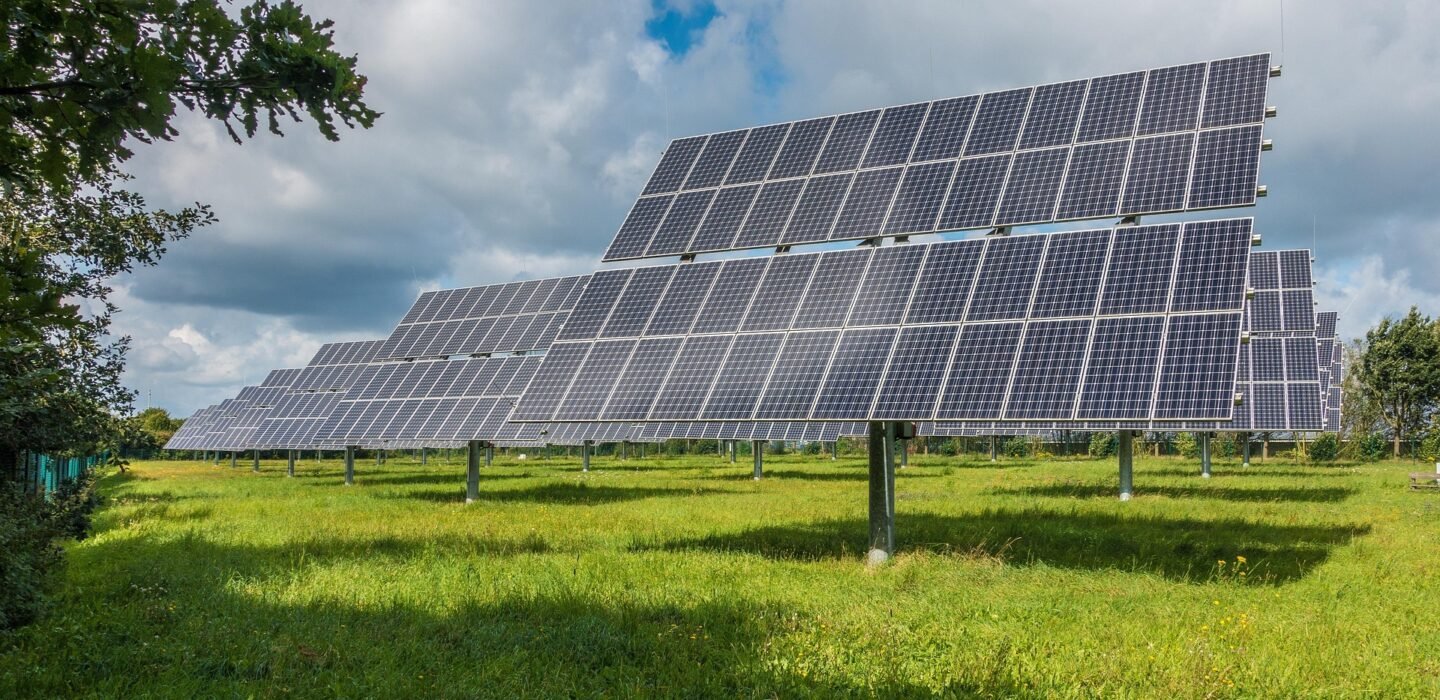
Polycrystalline solar panels use photovoltaic cells manufactured from multiple silicon crystal fragments rather than a single continuous silicon crystal. Traditional polycrystalline modules commonly deliver approximately 15% to 18% efficiency, although specifications vary by product, manufacturing generation, and manufacturer.
Polycrystalline technology historically provided a lower-cost alternative to monocrystalline panels because the manufacturing process used silicon differently and generated less material waste. However, modern residential solar markets increasingly favor higher-efficiency monocrystalline technology, making homeowners more likely to encounter polycrystalline panels on existing systems or in specific equipment inventories.
SolarReadyHub helps homeowners compare solar panels according to system capacity, usable installation area, module wattage, expected production, equipment availability, and complete installed cost. Panel technology matters, but the complete system design determines whether a particular module fits the property.
Comparing solar panel technologies for a residential project? Request a solar panel installation estimate based on electricity consumption, available installation space, system capacity, and equipment requirements.