
Skip to content

Residential Solar Installation

How residential solar installation works, what it costs, which equipment a home system needs, how it is sized, and what happens from permit to grid connection.

Overview

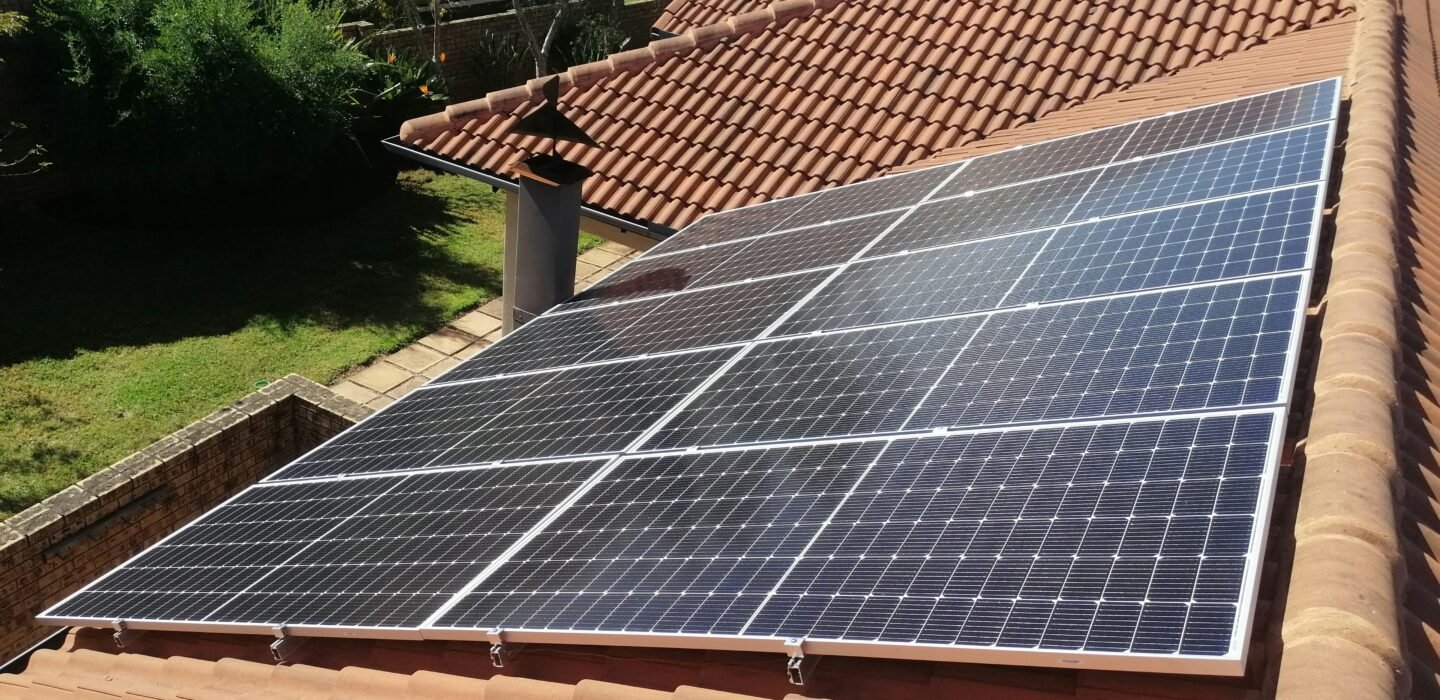
Residential solar installation converts available roof or ground space into an electricity-generating system sized around household energy use. A typical home installation combines solar panels, mounting equipment, an inverter, electrical components, monitoring equipment, permits, inspections, and utility interconnection into one coordinated photovoltaic system.

Most residential installations cost roughly $18,000 to $36,000 before optional battery storage, while installed pricing commonly falls around $2.50 to $3.50 per watt. System capacity, roof conditions, panel efficiency, inverter architecture, electrical upgrades, labor, permitting, and local requirements determine the final project price.

SolarReadyHub helps homeowners evaluate these factors before installation begins, as part of its wider solar panel installation services. A property-specific assessment can establish how much solar capacity fits the home, which equipment configuration suits the site, and which installation conditions could affect project cost or timing.

Planning a home solar project? SolarReadyHub can help evaluate electricity consumption, available installation space, system capacity, and project requirements before equipment is selected. Request a property-specific estimate to understand the installation scope and expected cost for the home.

The Process

How Does Residential Solar Installation Work?

Residential solar installation starts by matching household electricity demand with available solar-producing space. Contractors assess electricity consumption, roof characteristics, shading, electrical infrastructure, and local requirements before designing and installing the photovoltaic system.

  • Home Energy Assessment

    Historical electricity consumption provides the starting point for system sizing. Reviewing approximately 12 months of utility bills captures seasonal changes that a single monthly bill cannot show. A household consuming 10,000 kWh annually requires a different design from a similar home consuming 16,000 kWh. Future loads such as an electric vehicle, heat pump, electric water heater, or home addition can also change expected electricity demand.

  • Site and Roof Assessment

    A site assessment identifies where photovoltaic modules can produce electricity without creating unnecessary installation problems. Roof dimensions, orientation, pitch, material, structural condition, shade, vents, chimneys, skylights, and other obstructions influence the usable array area. Contractors also inspect the electrical system and proposed equipment locations. The assessment helps identify panel or service upgrades, unusual wiring requirements, and other conditions before installation begins.

  • System Design

    The contractor converts site information into a proposed array layout and electrical design. The design identifies system capacity, module quantity, inverter architecture, mounting locations, and projected electricity production. A productive design does not simply place the maximum possible number of panels on a roof. System capacity should reflect household demand, usable installation space, project economics, utility requirements, and future energy plans.

    Solar Installation Companies

Cost

How Much Does Residential Solar Installation Cost?

Residential solar systems commonly cost approximately $18,000 to $36,000 in 2026, although smaller straightforward installations can cost less and large or complex projects can cost more. A useful national planning range is approximately $2.50 to $3.50 per installed watt; see residential solar panel cost for a wider pricing view.

  • System Size Drives the Base Price

    A larger photovoltaic system requires more modules, mounting hardware, electrical equipment, and installation work. For example, a 6 kW system priced at $3.00 per watt would cost approximately $18,000, while a 10 kW system at the same unit price would cost approximately $30,000. The larger system also provides 4 kW of additional rated generating capacity. Homeowners should therefore compare price alongside system size instead of treating the lower total quote as automatically better.

    Solar Panel Installation Cost
  • Roof Conditions Affect Labor

    A simple single-story roof can require less installation work than a steep multi-level roof divided across several orientations. Tile, slate, metal, and asphalt-shingle roofs can also require different mounting hardware and installation methods. Existing roof deterioration creates another potential expense. A roof approaching replacement may need work before solar equipment is installed, reducing the chance that contractors must remove and reinstall the array for roofing work soon afterward.

  • Electrical Work Can Add Cost

    Solar arrays connect to the home's electrical infrastructure, so existing equipment must support the proposed system configuration. Some properties can require panel modifications, service changes, new breakers, wiring, disconnects, or related electrical work. These costs depend on existing conditions rather than solar capacity alone. A site assessment should identify significant electrical requirements before the homeowner compares final installation proposals.

Equipment

What Equipment Does a Home Solar System Need?

A residential photovoltaic system requires more than solar modules. Panels generate DC electricity, mounting equipment secures the array, inverters convert electricity into usable AC power, and electrical components distribute and control energy safely.

  • Solar Panels

    Monocrystalline modules dominate many current residential installations because high efficiency allows substantial generating capacity within limited roof space. Modern residential modules commonly provide efficiency around 19% to 23%, although specifications vary by model. Panel wattage also affects module quantity. A design using higher-wattage modules can reach a target system capacity with fewer panels than a design using lower-wattage equipment.

    Monocrystalline Solar Panels
  • Solar Inverters

    The inverter converts DC electricity from the photovoltaic modules into AC electricity used by household equipment. Residential designs can use string inverters, microinverters, or string-inverter systems combined with power optimizers. The appropriate architecture depends on shade, roof complexity, module-level monitoring requirements, equipment compatibility, system design, and budget. SolarReadyHub homeowners can review solar inverter types before comparing equipment proposals.

    Solar Inverter Types
  • Racking and Mounting

    Racking connects photovoltaic modules to the building structure while maintaining the array's designed position. Mounting hardware must match the roofing material and system configuration. Roof penetrations require appropriate installation and weatherproofing procedures. Ground-mounted residential systems instead use dedicated support structures and can require foundations, trenching, and additional site preparation.

Sizing

How Is a Residential Solar System Sized?

Residential solar sizing uses electricity consumption, solar exposure, available space, and expected production to establish suitable generating capacity. The number of panels alone provides little useful information unless the wattage of each module is also known.

  • Start With Annual Electricity Consumption

    Utility bills normally report electricity use in kilowatt-hours. Adding approximately 12 months of consumption creates an annual demand figure that can support initial system planning. For example, a homeowner using 900 kWh per month on average consumes approximately 10,800 kWh annually. The photovoltaic capacity required to address that demand depends on local solar production conditions, roof orientation, shade, and system losses.

  • Calculate Array Capacity

    System capacity equals panel wattage multiplied by panel quantity. Twenty 400-watt modules create an 8,000-watt, or 8 kW, array. Another system could use 18 higher-wattage panels and achieve a similar capacity. Homeowners should therefore compare total kW rather than assuming that a proposal containing more panels automatically produces more electricity.

  • Account for Future Electricity Use

    Electrification can increase household consumption after the photovoltaic system is installed. EV charging, heat pumps, electric water heating, pool equipment, or additional living space can materially change future electricity requirements. Homeowners expecting these changes should discuss them during system design. Planning ahead can reduce the chance that a newly installed array becomes undersized shortly after completion.

Mounting Type

Roof-Mounted vs. Ground-Mounted Residential Solar

Most home solar projects use roof-mounted arrays, but properties with sufficient land can consider ground mounting. The correct configuration depends on available space, sunlight, roof condition, orientation, installation cost, and property layout.

  • Residential Roof-Mounted Solar

    Rooftop arrays use an existing structure and preserve yard space. Suitable roofs can provide a straightforward location for photovoltaic modules without requiring a separate support structure on the property. Roof geometry can limit design flexibility. Vents, chimneys, skylights, dormers, shade, and multiple roof planes can reduce the area available for continuous module placement.

    Roof-Mounted Solar Installation
  • Residential Ground-Mounted Solar

    Ground mounting separates photovoltaic equipment from the house roof and allows greater flexibility in positioning the array. Properties with open, productive land can use this approach when roof conditions restrict a suitable installation. Ground systems require dedicated racking and can require foundations, excavation, trenching, and longer electrical runs. Those requirements can increase installation cost compared with a straightforward rooftop system.

    Ground Mount Solar Installation

Installation Day

What Happens During Home Solar Installation?

Physical installation represents only one stage of the complete project. Design, permits, equipment procurement, inspections, utility procedures, and commissioning can surround the days when installers physically mount the system.

  • Permitting and Project Preparation

    The contractor prepares the required system design and applicable permit documentation before construction. Local requirements determine which building, electrical, structural, or solar-specific documents apply. Equipment can then be scheduled around approval and project requirements. Permit processing time varies by jurisdiction, so homeowners should distinguish administrative lead time from physical installation time.

    Solar Panel Installation Process
  • Panel and Electrical Installation

    Installers prepare mounting locations, secure racking, attach photovoltaic modules, route conductors, and install inverter and electrical equipment. Many straightforward residential arrays can be physically installed within one to three days, while larger or more complex properties can take longer. Weather, roof access, electrical work, structural requirements, and system configuration can affect the schedule. Physical completion also does not necessarily authorize immediate grid-connected operation.

    How Long Solar Panels Take to Install
  • Inspection and Grid Connection

    Applicable authorities inspect completed work according to local requirements. Grid-connected systems also follow the serving utility's interconnection process. The utility can require documentation or authorization before normal operation begins. The complete project timeline can therefore extend beyond the installation crew's time at the property.

Battery Storage

Should Residential Solar Include Battery Storage?

Battery storage is optional for many grid-connected residential systems. A battery stores electricity for later use and can provide selected backup functions when the system includes compatible inverter, isolation, control, and electrical equipment.

  • Solar Without a Battery

    A grid-connected photovoltaic system can supply household electricity while sunlight supports production and interact with the utility according to applicable rules. The utility supplies additional electricity when household demand exceeds available solar generation. Standard grid-tied solar systems generally shut down during a grid outage for safety. Solar panels alone should therefore not be assumed to provide backup electricity.

  • Solar With Battery Storage

    A compatible battery can store available electricity and discharge that energy according to system settings. Homeowners can use storage for backup, evening consumption, or energy management where utility rates and equipment configurations make those functions useful. Battery equipment can add thousands of dollars to well over $10,000 per unit depending on capacity and installation requirements. Homeowners should separate storage costs from the base solar array when comparing proposals.

Before You Sign

What Should Homeowners Check Before Installation?

A residential solar contract should identify system capacity, equipment models, projected production, cash price, installation scope, responsibilities, warranties, and major exclusions. Homeowners should verify these details before approving construction.

  • Roof Condition

    The roof should have enough remaining service life to support the planned solar project without creating an obvious near-term removal requirement. Existing leaks, deterioration, structural concerns, or planned roof replacement deserve attention before mounting equipment. Solar installation does not correct underlying roof problems. Roofing and photovoltaic work should have clearly defined responsibilities when both projects occur together.

  • Contractor and Equipment Details

    The contract should identify the business responsible for installation and the specific panels and inverter equipment being installed. Applicable contractor licenses should be verified through the appropriate jurisdiction. Manufacturer model numbers allow homeowners to review equipment specifications and warranty documentation. Generic descriptions such as u201chigh-efficiency solar panelsu201d provide insufficient detail for a meaningful comparison.

  • Complete Project Price

    Homeowners should identify the complete cash price before evaluating monthly financing payments. System capacity and cash price can then be used to calculate cost per watt and compare similar proposals. The contract should also explain known exclusions. Roof work, electrical upgrades, battery equipment, trenching, tree work, or other property improvements can create separate expenses.

Frequently Asked Questions About Residential Solar Installation

How much does residential solar installation cost?

Residential installations commonly cost approximately $18,000 to $36,000 in 2026, with installed pricing often around $2.50 to $3.50 per watt. System capacity, roof conditions, equipment, electrical work, labor, and location affect the final price.

How long does residential solar installation take?

Physical installation can take approximately one to three days for many straightforward home systems, while complex projects can require longer. Design, permitting, inspections, and utility interconnection can extend the complete project timeline beyond the physical installation period.

How many solar panels does a house need?

Panel quantity depends on household electricity consumption, module wattage, available installation area, shade, and desired system capacity. An 8 kW array could use 20 modules rated at 400 watts each, but another design can reach similar capacity with a different module count.

Can solar panels be installed on any roof?

Not every roof provides equally suitable conditions. Roof age, material, structural condition, orientation, pitch, usable area, shade, and obstructions can affect whether rooftop installation makes practical sense.

Do residential solar panels work during a power outage?

A standard grid-tied photovoltaic system generally shuts down when utility power fails. Backup operation requires compatible equipment and system architecture, often including battery storage and appropriate isolation controls.

Do I need a battery with residential solar panels?

No. Many grid-connected residential photovoltaic systems operate without batteries. Storage becomes relevant when homeowners want backup capability, increased solar self-consumption, or other energy-management functions.

Plan a Residential Solar Installation

A residential solar project should begin with the home's electricity demand and physical installation conditions rather than a predetermined panel count. Annual consumption, roof area, solar exposure, system capacity, inverter design, electrical infrastructure, installation cost, and future energy use all influence the finished system. SolarReadyHub helps homeowners organize those variables before comparing residential solar proposals. A property-specific approach makes it easier to compare equivalent systems and understand why one installation may differ in capacity, equipment, or price from another. Planning residential solar installation in 2026? Request an estimate based on household electricity consumption, roof conditions, available installation space, system capacity, and electrical requirements. Use the resulting project scope to compare equipment, production estimates, and complete installation prices.

Get a Free Quote

Switch to Solar Today

Learn how Solaris delivers sustainable, high-performance solar solutions to reduce energy costs and protect our planet's future.

Our Services