
Skip to content

Solar Panel Cleaning Kit

What a solar panel cleaning kit should include, what it costs, how to choose one, and when professional cleaning is the safer option.

Overview

A solar panel cleaning kit should include soft, non-abrasive cleaning equipment, a suitable extension pole, controlled water delivery, and components compatible with photovoltaic glass. The goal is to remove dust, pollen, bird droppings, and surface grime without scratching modules or creating unnecessary roof-access risks.

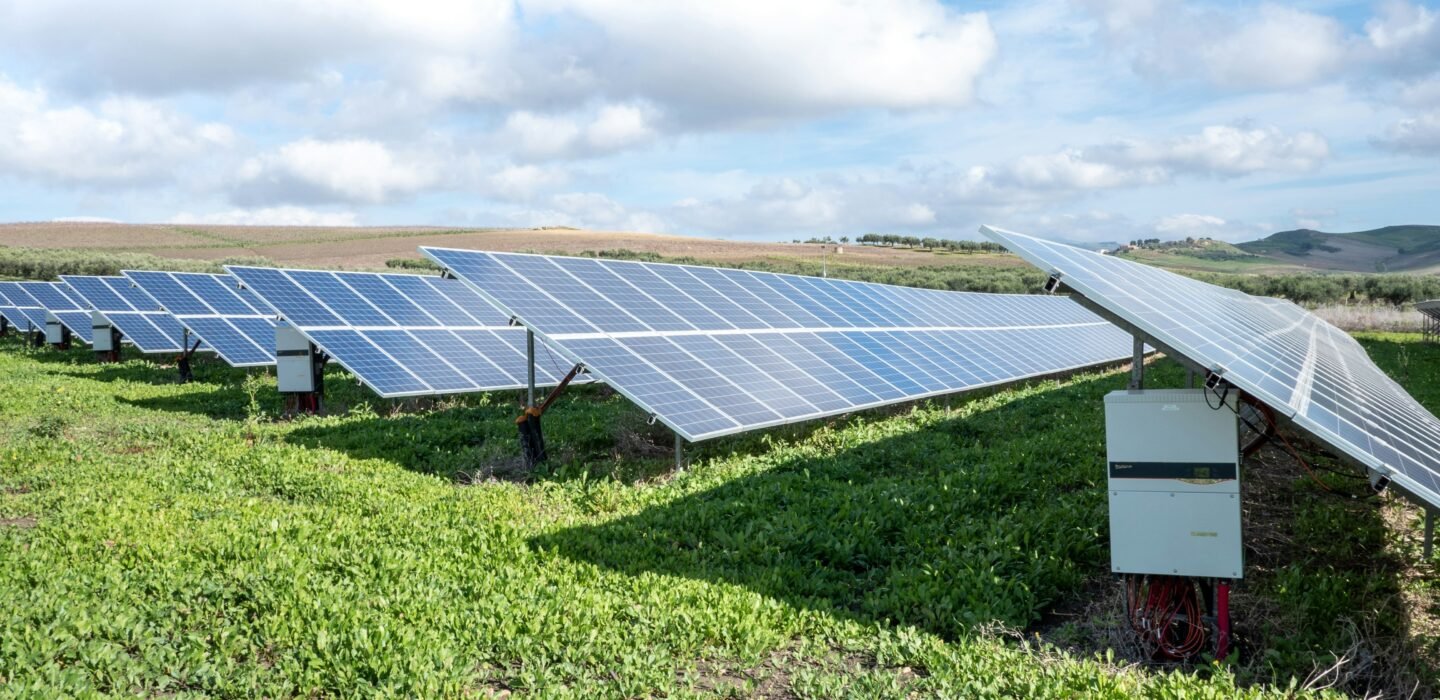
A basic kit can work well for accessible ground-mounted or low-roof arrays. Steep roofs, second-story systems, tile roofing, and difficult panel layouts can make professional cleaning more practical than purchasing equipment and attempting rooftop work.

SolarReadyHub recommends checking the solar module manufacturer’s cleaning instructions before choosing a kit, whether for DIY work or a full solar panel cleaning service. Brush material, cleaning solutions, water pressure, and working methods should match the installed equipment rather than relying only on the product label.

Considering a solar panel cleaning kit for routine maintenance? SolarReadyHub can help compare DIY cleaning with professional service based on panel quantity, roof configuration, contamination, and access. Request a property-specific estimate before purchasing equipment for a difficult rooftop array.

What's Inside

What Should a Solar Panel Cleaning Kit Include?

A useful cleaning kit combines tools that loosen contamination, rinse the module surface, and provide sufficient reach. Extra accessories only add value when the property’s cleaning conditions require them.

  • Soft Cleaning Brush

    A soft-bristled brush forms the core of many solar cleaning kits. The brush should remove loose dust and softened contamination without creating abrasive contact against the module glass. Brush cleanliness matters as much as bristle softness. Sand or hard particles trapped in the cleaning head can scratch a surface even when the original brush material is non-abrasive.

  • Telescopic Pole

    A telescopic pole extends the cleaning head toward modules that remain beyond normal reach. Adjustable poles can serve ground-mounted arrays and some low rooftop systems without requiring direct roof access. Pole length should match the installation. A longer pole can extend reach, but excessive length can reduce control and make it harder to maintain gentle contact with the modules.

    Solar Panel Cleaning Tools
  • Water Delivery System

    Some kits connect directly to a garden hose, while others use a water-fed pole that delivers water through the cleaning head. Controlled water helps loosen dirt and carry contamination away from the surface. Water delivery should not rely on unnecessarily high pressure. Module manufacturer instructions should determine acceptable cleaning practices.

Water-Fed Kits

Do You Need a Water-Fed Solar Panel Cleaning Kit?

Water-fed kits combine an extension pole, cleaning brush, and water supply into one system. The design can simplify cleaning because water reaches the panel directly through or around the brush head.

  • How Water-Fed Kits Work

    A hose connects the water source to the pole or cleaning head. Water wets the module while the soft brush loosens contamination, allowing the operator to rinse and clean during the same process. This configuration can work particularly well for arrays reachable from stable ground. The user can clean a larger surface without repeatedly switching between a brush and separate hose.

  • When a Water-Fed Kit Makes Sense

    A water-fed setup can provide value when the property requires recurring cleaning and the array remains within practical pole reach. Dusty environments can make repeated light cleaning more convenient with an integrated system. A kit becomes less useful when roof geometry prevents safe access. Equipment should reduce access risk rather than encourage excessive reaching.

Squeegees

Should a Cleaning Kit Include a Squeegee?

Some solar panel cleaning kits include a squeegee for removing excess water. A clean, soft squeegee can help reduce remaining water when the module manufacturer’s instructions allow the method.

  • Keep the Squeegee Clean

    The blade should remain free from sand, grit, and other particles. Contamination trapped against the rubber can move across the glass during each pass. Light pressure is generally more appropriate than forceful scraping. A squeegee should remove water rather than dislodge hardened material.

  • When a Squeegee Is Optional

    A squeegee may provide limited benefit when purified water is used and the modules drain effectively. Tilted panels can shed much of the rinse water naturally. Homeowners should not choose a kit simply because it contains more accessories. Each component should serve a useful role for the specific array.

Water Quality

Does a Solar Panel Cleaning Kit Need Purified Water?

Purified or deionized water can reduce mineral residue after cleaning, particularly in areas with hard tap water. A residential cleaning kit does not automatically need a complete water-purification system.

  • Tap Water

    Tap water can work for many routine cleaning situations when manufacturer guidance permits the method. Local water hardness determines how much mineral spotting may remain after evaporation. A final rinse and appropriate drying conditions can help manage residue. Homeowners should evaluate actual results before investing in additional water-treatment equipment.

  • Deionized Water

    Deionized water contains fewer dissolved minerals and can reduce spotting after the surface dries. Professional cleaning systems frequently use water treatment when technicians clean many modules. The benefit becomes more significant when hard water repeatedly leaves visible deposits. Occasional residential cleaning may not justify purchasing a professional-grade purification system.

Cleaning Solution

What Cleaning Solution Belongs in a Solar Panel Kit?

Many routine cleaning jobs can rely primarily on water and gentle mechanical cleaning. Cleaning chemicals should only be used when the module manufacturer’s instructions allow the specific product or type of solution.

  • Mild Cleaning Products

    Persistent grime can sometimes require an approved mild cleaning solution. The product should loosen contamination without leaving significant residue or affecting module materials. More detergent does not necessarily improve cleaning. Excess product can require additional rinsing and leave a film when not removed completely.

    How to Clean Solar Panels
  • Products to Avoid

    Abrasive powders, strong solvents, harsh household chemicals, and gritty compounds should not automatically be used on photovoltaic modules. Products designed for floors, vehicles, roofs, or masonry may not suit solar glass and surrounding materials. Manufacturer care instructions provide the best equipment-specific guidance. A kit marketed for solar panels should still be checked against those requirements.

Cost

How Much Does a Solar Panel Cleaning Kit Cost?

DIY solar maintenance supplies and basic safety equipment can cost roughly $30 to $250, depending on the equipment already available and the type of cleaning setup purchased. Simple brushes and accessories sit toward the lower end, while longer water-fed poles and more complete systems can increase the investment.

The kit price should be compared with how often the equipment will actually be used. Professional cleaning commonly costs approximately $10 to $20 per panel, while flat-rate professional service can run around $300 to $630; see solar panel cleaning cost and professional solar panel cleaning service for the full picture.

For a medium residential system containing approximately 20 panels, professional cleaning commonly falls around $300 to $500, depending on roof access and service scope. An accessible array requiring recurring cleaning can therefore create a stronger case for owning suitable equipment.

Choosing

How to Choose the Right Solar Panel Cleaning Kit

The best kit is not necessarily the package containing the most components. Array location, reach, contamination, water quality, module requirements, and cleaning frequency should determine equipment selection.

  • Match Pole Length to the Array

    Measure the approximate working distance before choosing a telescopic pole. The equipment should reach the required module surface while allowing the operator to maintain a stable position. A pole that cannot reach the upper modules provides little value. An unnecessarily long pole can become heavier and harder to control.

  • Check Brush Material

    The brush should use soft, non-abrasive material suitable for delicate glass surfaces. Replace or thoroughly clean a brush when grit becomes embedded in the cleaning head. A worn brush should not remain in service simply because the rest of the kit still functions. The contact surface directly affects the module during every cleaning pass.

  • Check Hose Compatibility

    Water-fed kits need compatible hose fittings and adequate water delivery. Confirm connector sizes and required pressure before purchasing the equipment. A mismatch can require adapters or additional components. Reviewing the complete setup prevents a low-cost kit from becoming inconvenient after purchase.

Worth It?

Is a Solar Panel Cleaning Kit Worth Buying?

A kit can make financial sense when the array is safely accessible and requires recurring cleaning. The decision becomes less attractive when difficult roof access prevents safe use of the equipment.

  • Accessible Ground-Mounted Arrays

    Ground-mounted solar systems often provide the strongest DIY use case. Homeowners can inspect and clean modules while remaining on stable ground. A reusable brush, suitable pole, and water supply can handle repeated cleaning without paying for professional labor each time. Electrical components should still remain undisturbed.

  • Low and Accessible Roofs

    Some low rooftop arrays can be reached from ground level with a suitable telescopic pole. A cleaning kit can provide a practical maintenance option when every module remains within controlled reach. The kit should eliminate the need to climb onto the roof rather than simply extend how far the homeowner can lean from a ladder.

    Roof Solar Panel Cleaning
  • Steep or Multi-Story Roofs

    A $100 or $200 cleaning kit provides little practical value if safe use requires walking across a steep second-story roof. Professional service can provide the more appropriate option under those conditions. Access should therefore be evaluated before price. Purchasing cleaning equipment does not change the physical risks created by the building.

    Solar Panel Cleaning Near Me

Kit vs. Professional

Solar Panel Cleaning Kit vs. Professional Cleaning

DIY equipment involves an upfront purchase, while professional cleaning creates a service expense each time the array needs attention. The better option depends on accessibility and cleaning frequency.

Consider an accessible 20-panel ground-mounted array that requires several cleanings each year because of nearby dust. Spending within the broad $30 to $250 DIY equipment range can become economical when the same equipment serves multiple cleaning cycles.

Now consider an identical 20-panel array on a steep two-story roof. Professional cleaning may cost around $300 to $500, but the service also addresses access and labor that a basic kit cannot provide. The panel count stays the same while the practical value of DIY equipment changes completely.

What to Skip

What Should Not Be Included in a Solar Cleaning Kit?

Some aggressive exterior-cleaning equipment should not be treated as essential solar maintenance tools. The objective is controlled contamination removal rather than maximum mechanical force.

  • Metal Scrapers

    Metal blades and hard scraping tools can scratch photovoltaic glass. Persistent bird residue should generally be softened before gentle removal. Permanent surface damage represents a poor trade for removing temporary contamination. Soft equipment provides the more appropriate starting point.

  • Abrasive Pads

    Scouring pads can create fine scratches or affect surface treatments. A product that works on household surfaces should not automatically be used on photovoltaic modules. Choose soft materials specifically compatible with delicate glass. Inspect the cleaning surface before every use for embedded debris.

  • High-Pressure Equipment

    A pressure washer should not automatically form part of a solar cleaning setup. Concentrated pressure can create unnecessary risk around seals, frames, connectors, wiring, and nearby roofing components. Controlled water flow provides a more suitable general approach. Always follow equipment-specific cleaning instructions.

One Size?

Can One Cleaning Kit Handle Every Solar System?

No single kit suits every installation. A compact ground-mounted array, a two-story residential roof, and a large commercial system create different reach, labor, water, and access requirements.

Commercial arrays can require longer water-fed equipment, purification systems, mechanized brushes, or solar panel cleaning robots, and commercial solar panel cleaning covers that scale in detail. Residential arrays generally require simpler equipment when access remains straightforward.

SolarReadyHub recommends selecting tools according to the actual installation rather than buying a generic package solely because the product carries a solar label.

Before buying, check how often to clean solar panels so the equipment matches a schedule the property actually needs.

Frequently Asked Questions About Solar Panel Cleaning Kits

What should a solar panel cleaning kit contain?

A practical kit can include a soft non-abrasive brush, telescopic pole, controlled water connection, and compatible cleaning accessories. The exact components should match the array and manufacturer instructions.

How much does a solar panel cleaning kit cost?

Basic DIY solar maintenance equipment and safety supplies can cost roughly $30 to $250, depending on existing equipment and the complexity of the setup. Professional-grade water-fed and purification systems can cost more.

Can I use a window-cleaning kit on solar panels?

Some soft window-cleaning equipment may be suitable, but compatibility should be checked against the solar module manufacturer's instructions. Avoid abrasive materials and unsuitable chemicals.

Do solar panel cleaning kits use soap?

Many cleaning situations can use water and gentle mechanical cleaning. If a cleaning product becomes necessary, use only a solution compatible with the installed module manufacturer's guidance.

Is a water-fed pole good for solar panels?

A soft water-fed brush can work well for accessible solar arrays because the system combines rinsing and gentle brushing. Pole length and brush material should match the installation.

Should I buy a kit or hire a solar panel cleaner?

A kit can make sense for safely accessible arrays requiring recurring cleaning. Professional service is generally more practical when steep roofs, multiple stories, difficult access, or heavy contamination make DIY work unsafe.

Choose the Right Solar Panel Cleaning Kit

A useful solar panel cleaning kit combines soft contact materials, adequate reach, controlled water delivery, and equipment compatible with the installed modules. More accessories do not automatically produce better cleaning. SolarReadyHub recommends evaluating array location before purchasing equipment. Ground-mounted and safely reachable systems can make DIY kits worthwhile, while steep or elevated rooftops often provide a stronger case for professional service. Need help deciding between a cleaning kit and professional service? Request a property-specific solar cleaning estimate based on panel quantity, contamination, roof configuration, and access. Compare equipment costs with the actual requirements of maintaining the array safely.

Get a Free Quote

Switch to Solar Today

Learn how Solaris delivers sustainable, high-performance solar solutions to reduce energy costs and protect our planet's future.

Our Services