
Skip to content

How Often to Clean Solar Panels

How often solar panels really need cleaning in 2026, what drives the schedule, and how to avoid paying for cleanings the array does not need.

Overview

Solar panels typically need cleaning two to four times per year, or approximately every three to six months. The right schedule depends on dust, rainfall, pollen, bird activity, nearby trees, panel angle, and how much contamination collects on the modules.

A fixed schedule does not work for every property. A solar array beside an unpaved road may collect dust quickly, while a tilted rooftop array in an area with regular rainfall and limited debris may require less frequent manual cleaning.

SolarReadyHub recommends using visible panel condition and system monitoring alongside a seasonal schedule, as part of any solar panel cleaning plan. Cleaning should remove meaningful contamination, not become an unnecessary recurring expense.

Not sure whether the solar array needs cleaning? SolarReadyHub can help assess panel quantity, contamination, array location, and access requirements. Request a property-specific cleaning estimate when environmental conditions create visible buildup.

The Schedule

How Often Do Solar Panels Need Cleaning?

A practical starting point is cleaning solar panels every three to six months. Properties with moderate environmental exposure may only require two cleanings each year, while dusty or debris-prone sites can benefit from quarterly service.

Cleaning frequency should change when site conditions change. Construction work, drought, pollen season, nearby wildfires, landscaping, or increased bird activity can temporarily increase contamination even when the normal schedule works during the rest of the year.

  • Twice-a-Year Cleaning

    A six-month interval can work for systems that experience moderate dust and organic debris. One cleaning after spring pollen and another after the main autumn debris period can address two common accumulation periods. The schedule should remain flexible. If visual checks show clean module surfaces and normal system performance, an additional cleaning may provide little practical benefit.

  • Quarterly Cleaning

    Cleaning every three months can make more sense for properties exposed to persistent dust, pollen, birds, or surrounding vegetation. Quarterly service prevents contamination from remaining on the modules for extended periods. Four annual cleanings should not become an automatic requirement. Actual environmental exposure should justify the additional service frequency.

    Professional Solar Panel Cleaning Service

Factors

What Determines Solar Panel Cleaning Frequency?

The surrounding environment determines how quickly photovoltaic modules become dirty. Dust exposure, rainfall, pollen, birds, trees, roof angle, construction, and local weather can all change the appropriate cleaning interval.

  • Dust and Dry Weather

    Long dry periods allow airborne particles to remain on module surfaces because rainfall does not regularly rinse loose contamination away. Properties near unpaved roads, construction sites, exposed soil, or agricultural activity can experience faster buildup. A system that develops visible dust within three months may require quarterly attention. A comparable array with little surrounding dust may remain suitable for a six-month or longer interval.

  • Pollen

    Pollen can create a visible film across photovoltaic glass during certain seasons. Properties surrounded by trees and flowering vegetation may experience concentrated buildup during spring. Cleaning after the main pollen season can remove the accumulated layer in one service visit. Scheduling repeated cleaning during active pollen conditions can result in modules becoming dirty again shortly afterward.

  • Bird Droppings

    Bird droppings create localized contamination rather than an even layer across the entire array. Persistent deposits can remain after ordinary rainfall and may justify cleaning before the next planned service date. Frequent bird activity can therefore shorten the cleaning interval. The homeowner should also watch for nesting material and debris around the array without disturbing electrical components.

Rain

Does Rain Reduce Solar Panel Cleaning Frequency?

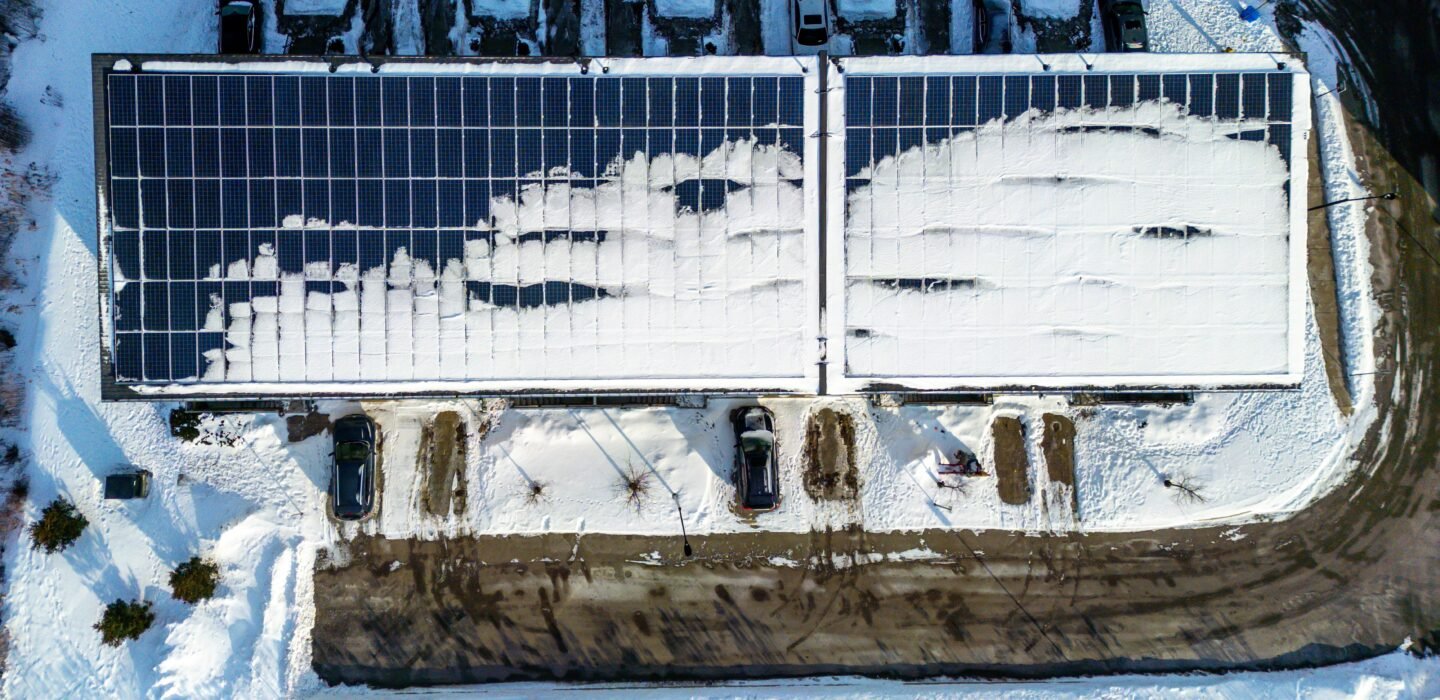
Rain can remove loose dust and light surface contamination, particularly from tilted solar panels. Regular rainfall can therefore reduce the amount of manual cleaning required for some systems.

Rain should not be treated as a complete cleaning method. Bird droppings, sticky residue, leaves, pollen deposits, and material trapped around module edges can remain after repeated storms.

  • Tilted Solar Panels

    Tilted modules allow rainwater and loose debris to move toward the lower edge. A stronger tilt can improve natural runoff compared with a nearly horizontal surface. The lower edge can still collect residue as water dries. Visual inspection can identify whether natural rainfall is keeping the surface sufficiently clean.

  • Low-Slope Panels

    Low-slope arrays can retain more water and contamination because gravity provides less assistance with runoff. Dirt can accumulate along module edges as water evaporates. These installations may require closer observation after dusty or pollen-heavy periods. Panel angle therefore contributes to cleaning frequency alongside climate.

Dusty Areas

How Often Should Solar Panels Be Cleaned in Dusty Areas?

Solar panels in dusty environments may require cleaning every three months or when visible buildup becomes significant. Severe local conditions can justify additional cleaning when contamination returns faster than the normal seasonal schedule.

The goal is not to maintain perfectly polished glass at all times. Cleaning becomes useful when accumulated material meaningfully covers the light-receiving surface or site conditions indicate that substantial buildup has developed.

  • Watch How Quickly Dust Returns

    Check the array several weeks after cleaning and again as the season progresses. This observation establishes how quickly the specific property accumulates contamination. For example, an array near an active construction site may require more frequent cleaning during the project. The cleaning interval can return to normal after construction ends.

  • Combine Visual Checks With Monitoring

    Production monitoring can provide additional context. A gradual decline combined with obvious dust accumulation creates a stronger reason to investigate cleaning than either signal alone. Weather and seasonal sunlight also change solar output. Production data should therefore support the cleaning decision rather than act as the only indicator.

Trees & Pollen

How Do Trees and Pollen Affect Cleaning?

Nearby trees can increase contamination through pollen, leaves, sap, bird activity, and organic debris. The effect often changes throughout the year, making seasonal cleaning more useful than equal intervals between every visit.

  • Spring Cleaning

    Spring can create heavy pollen deposits around properties with substantial vegetation. Waiting until the main pollen period passes can prevent a newly cleaned array from becoming coated again within days. A visual check after peak pollen provides a practical trigger. Professional cleaning can then remove the accumulated layer in one visit.

  • Fall Cleaning

    Autumn leaves can land on modules or collect around the array. Leaves that remain against module surfaces can block sunlight until wind, rain, or manual removal moves the material. Debris around wiring or beneath modules requires additional caution. Surface cleaning should not turn into uncontrolled work around electrical components.

Storms

Should Solar Panels Be Cleaned After a Storm?

Most storms do not require immediate solar panel cleaning. Rain can actually remove loose surface dust, while severe storms may leave branches, leaves, mud, or other debris that requires attention.

Inspect the array from a safe location after major weather events. Visible debris can justify cleaning, while cracked glass or displaced equipment calls for inspection rather than routine washing.

  • Cleaning After Heavy Rain

    Heavy rain can leave modules cleaner when loose dust represents the primary contaminant. Scheduling another cleaning immediately afterward may provide little value. Check the surface before arranging service. Persistent residue provides a stronger reason for cleaning than the storm itself.

  • Cleaning After Wind or Severe Weather

    Strong winds can deposit leaves, dirt, branches, and other material around an array. Severe weather can also create physical damage unrelated to cleanliness. A cracked module cannot be corrected by washing the glass. SolarReadyHub recommends separating contamination problems from repair or inspection requirements.

    Solar Panel Inspection

Monitoring

Can Solar Monitoring Tell You When to Clean?

Solar monitoring can help identify unusual production patterns, but lower output does not automatically mean dirty panels. Cloud cover, seasonal sunlight, temperature, shade, inverter operation, and electrical problems also influence generation.

Monitoring works best when combined with visible panel condition and comparable weather data.

  • Check Production Regularly

    Reviewing system performance periodically can establish a normal production pattern. A noticeable change can prompt a visual inspection of the array. If the panels show substantial contamination, cleaning becomes one reasonable maintenance step. If the modules already appear clean, another system component may require attention.

  • Check Performance After Cleaning

    Monitoring after cleaning can help determine whether contamination contributed to reduced production. Comparisons should use similar weather and seasonal conditions. Persistent underperformance after the modules are clean can indicate an inverter, wiring, shading, module, or monitoring issue. Additional washing will not correct those faults.

Annual Cost

How Much Does Cleaning Frequency Affect Annual Cost?

Professional solar panel cleaning commonly costs approximately $10 to $20 per panel, while flat-rate professional service can run around $300 to $630. A medium residential system with roughly 20 panels commonly falls around $300 to $500, depending on access and service scope; see solar panel cleaning cost for the full breakdown, or compare solar panel cleaning near me options.

Cleaning frequency therefore has a direct effect on annual maintenance spending.

A homeowner paying $350 per visit would spend the following each year if the price remained unchanged.

Cleaning Schedule Approximate Annual Cost
Two annual cleanings at $350 per visit $700
Four annual cleanings at $350 per visit $1,400

This difference makes property-specific scheduling important. Quarterly cleaning can be worthwhile when contamination develops quickly, but unnecessary appointments increase annual ownership costs without addressing an actual maintenance need.

Example

Example of Choosing a Solar Cleaning Schedule

Consider a 20-panel rooftop system near mature trees. Heavy pollen develops during spring, summer brings several dry months, and autumn introduces leaves and increased bird activity.

The property could start with cleaning after the spring pollen period and another visit after autumn debris accumulation. A particularly dusty summer could justify a third cleaning when visible buildup develops.

Another 20-panel system with regular rainfall, few surrounding trees, and limited dust may need less frequent intervention. The number of panels determines cleaning workload, but environmental exposure determines cleaning frequency.

Array Location

Cleaning Frequency for Rooftop and Ground-Mounted Panels

Array location also influences how easily homeowners can monitor contamination and arrange cleaning. Rooftop and ground-mounted systems face different access conditions even when the same environmental contaminants are present.

  • Rooftop Solar Panels

    Roof-mounted modules can be difficult to inspect closely, particularly on multi-story or steep roofs. Ground-level observations and monitoring become more important when safe direct access is unavailable. Professional service can make more sense when cleaning requires roof access. Homeowners should not climb onto unsafe surfaces simply because the calendar indicates that a cleaning date has arrived.

    Roof Solar Panel Cleaning
  • Ground-Mounted Solar Panels

    Ground-mounted arrays provide easier access for visual checks and routine cleaning. Dust can still accumulate quickly where exposed soil or agricultural activity surrounds the installation. Easier access makes condition-based cleaning more practical. Property owners can inspect the module surface and respond when contamination actually develops.

Once the schedule is set, see how to clean solar panels safely, choose suitable solar panel cleaning tools or a solar panel cleaning kit, or consider solar panel cleaning robots for larger arrays.

Frequently Asked Questions About Solar Panel Cleaning Frequency

How often should solar panels be professionally cleaned?

A practical starting point is two to four times per year, or approximately every three to six months. Dust, pollen, rainfall, birds, trees, and actual contamination should determine the final schedule.

Is cleaning solar panels twice a year enough?

Twice-yearly cleaning can be sufficient for many properties with moderate contamination. Dusty, high-pollen, bird-heavy, or debris-prone locations can require additional cleaning.

Do solar panels need monthly cleaning?

Most residential systems do not require monthly cleaning. Monthly visual or performance checks can help identify buildup, while actual cleaning should respond to environmental conditions.

Does rain clean solar panels?

Rain can remove loose dust from tilted modules, but rain may not remove bird droppings, sticky residue, leaves, or persistent grime. Inspect actual panel condition before deciding whether manual cleaning remains necessary.

What is the best season to clean solar panels?

Spring and fall can provide useful cleaning periods because pollen and seasonal debris commonly accumulate around those times. Local conditions should determine the exact months.

Should solar panels be cleaned when production drops?

Check the panels and system conditions first. Visible contamination can justify cleaning, while persistent production loss with clean modules may indicate shading, inverter, wiring, or equipment problems.

Set the Right Solar Panel Cleaning Schedule

Solar panels commonly need cleaning two to four times per year, but no single schedule fits every property. Dust, rainfall, pollen, birds, trees, panel angle, surrounding activity, and visible contamination determine how quickly each array requires attention. SolarReadyHub recommends starting with seasonal observation and adjusting the interval according to actual conditions. This approach can keep modules clean without paying for unnecessary service visits. Need professional solar panel cleaning in 2026? Request a property-specific estimate based on panel quantity, array location, contamination, and access conditions. Use actual site conditions to determine whether the system needs quarterly, semiannual, or as-needed cleaning.

Get a Free Quote

Switch to Solar Today

Learn how Solaris delivers sustainable, high-performance solar solutions to reduce energy costs and protect our planet's future.

Our Services