
Skip to content

Solar Panel Cleaning Cost

What professional solar panel cleaning costs, how panel count and roof access change the price, and how often an array actually needs cleaning.

Overview

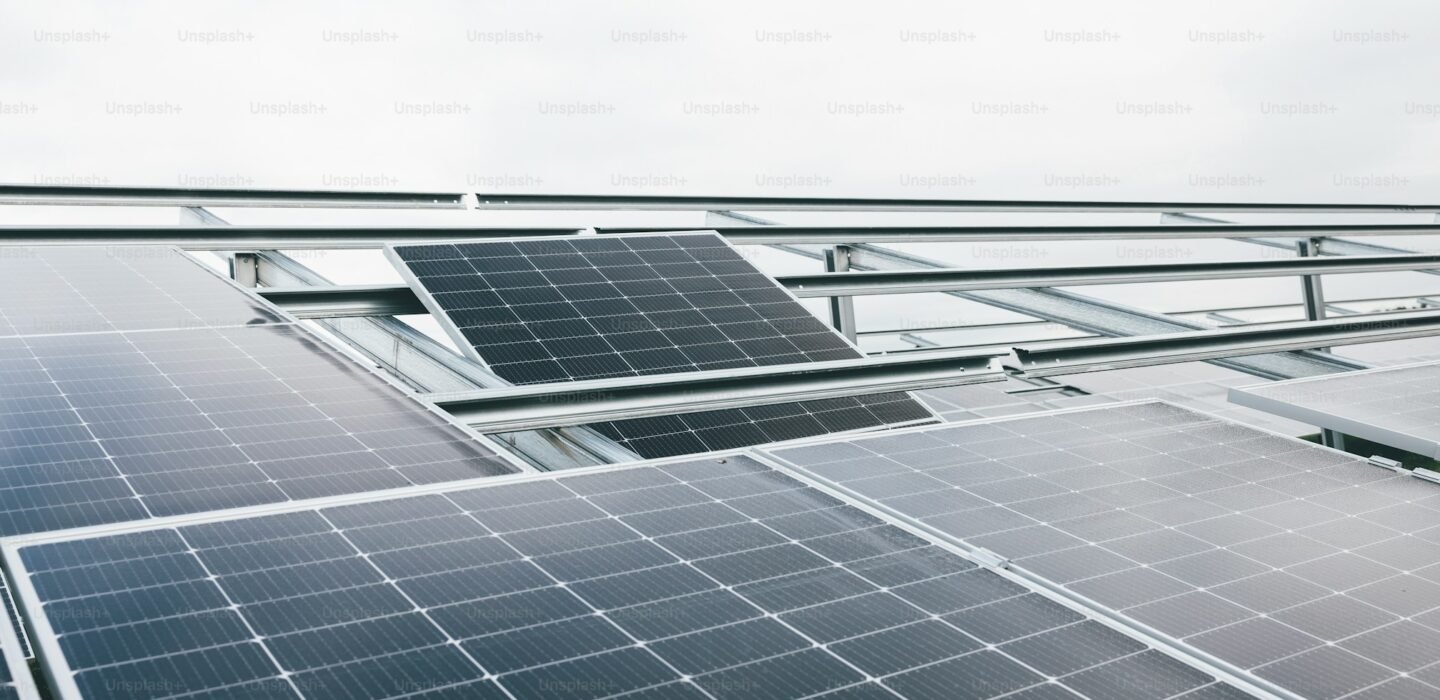
Professional solar panel cleaning typically costs $200 to $500 per visit in 2026, while some contractors price the service at approximately $10 to $20 per panel. A 20-panel residential array can therefore cost around $200 to $400 to clean before roof access, heavy buildup, system layout, or additional inspection work changes the service price.

Panel count alone does not determine the final cost. Roof pitch, building height, accessibility, accumulated dirt, bird droppings, pollen, leaves, mineral deposits, and local labor requirements can increase the time and equipment required to clean the array safely, a factor that also shapes broader solar panel cost planning.

SolarReadyHub helps property owners compare solar panel cleaning requirements with system conditions instead of treating every array as an identical job. Professional cleaning should remove performance-blocking buildup without damaging module glass, frames, wiring, seals, or rooftop equipment.

Need solar panels cleaned? Request a cleaning estimate based on panel count, array location, access, and current system condition.

Pricing

How Much Does Solar Panel Cleaning Cost?

Most homeowners can use $200 to $500 per professional cleaning as an initial planning range. Per-panel pricing commonly falls around $10 to $20, but contractors may quote the complete array instead when roof access, system layout, travel, or cleaning conditions influence the workload.

By Panel Count

Solar Cleaning Cost by Panel Count

A smaller 10-panel array could cost approximately $100 to $200 when a contractor applies straightforward per-panel pricing. A 20-panel system could calculate to roughly $200 to $400, while 30 panels could produce a basic calculation around $300 to $600.

  • Planning Estimates, Not Guarantees

    Those figures provide planning estimates rather than guaranteed service prices. A contractor may apply a minimum service charge for a small array or quote additional labor when technicians need specialized roof access or spend more time removing stubborn contamination.

  • Cost for Larger Residential Systems

    Larger systems contain more surface area and usually require more cleaning time. A 25-panel array priced at $15 per panel, for example, produces a basic estimate of $375 before access or condition-related adjustments. Panel wattage also matters when comparing properties. One newer system may produce the same capacity with fewer high-output modules than an older array containing more lower-wattage panels, so identical system capacities can create different cleaning workloads.

Variables

What Changes the Cost of Solar Panel Cleaning?

The contractor needs to consider more than the number of modules before establishing a cleaning price. Array location, roof access, contamination level, panel arrangement, water requirements, and additional inspection work can all change the service scope.

  • Roof Pitch and Building Height

    A ground-level array provides different access from panels mounted on a steep second-story roof. Roof pitch and height can require additional safety equipment, setup time, and working procedures, which can increase labor compared with an easily accessible installation. Complex roof layouts can create similar challenges. Solar modules distributed across several roof planes may require technicians to reposition equipment multiple times instead of cleaning one continuous array.

  • Dirt, Pollen, and Environmental Buildup

    Light dust can require less work than panels covered with bird droppings, sticky pollen, leaves, sap, or accumulated debris. Contamination that bonds to the module surface can require additional cleaning time and an appropriate removal method. Local conditions influence how quickly buildup returns. Properties near dusty roads, agricultural activity, construction, trees, or concentrated bird activity can experience different cleaning needs from properties with lower environmental exposure.

  • Panel Accessibility

    Technicians need safe access to the module surface without stepping on solar panels or damaging roof materials. Narrow roof sections, obstacles, limited ladder placement, and difficult array positioning can increase the time required to complete the service. Ground-mounted systems can provide easier physical access, although array size and site conditions still affect the final quote. Contractors should evaluate accessibility rather than assuming every roof-mounted system costs more than every ground array.

Frequency

How Often Should You Pay for Solar Panel Cleaning?

Solar panels do not require cleaning on one fixed national schedule. Local rainfall, dust, pollen, birds, trees, roof angle, system performance, and visible buildup determine whether an array needs professional cleaning and how often to clean solar panels makes financial sense.

  • When Annual Cleaning May Make Sense

    An annual inspection of panel condition can help homeowners identify persistent contamination before automatically scheduling cleaning. Properties exposed to regular dust, pollen, leaves, or bird activity may need cleaning more frequently than systems that receive enough rainfall to remain relatively clear. A homeowner paying $300 per cleaning would spend $1,500 over five annual visits if the price remained unchanged. Cleaning should therefore respond to actual conditions and performance rather than becoming an unnecessary expense on a rigid schedule.

  • When More Frequent Cleaning May Be Needed

    Arrays exposed to unusually heavy environmental buildup can require more frequent attention. Bird nesting near panels, agricultural dust, construction debris, wildfire residue, or prolonged dry periods can create conditions where contamination accumulates faster. Performance monitoring can provide useful evidence. A production decline that cannot be explained by weather, shading, seasonal sunlight, or equipment problems may justify a physical inspection to determine whether dirt contributes to the loss.

  • When Cleaning May Not Be Necessary

    Rain can remove some loose dust and debris from appropriately angled modules, reducing the need for frequent manual cleaning in certain locations. Rain does not necessarily remove stubborn bird droppings, mineral deposits, sap, or material trapped around panel edges. Homeowners should inspect visible conditions and monitor system output instead of assuming rainfall either eliminates all cleaning needs or never provides useful cleaning.

Professional vs. DIY

Professional vs. DIY Solar Panel Cleaning Cost

DIY cleaning can reduce direct labor expense, but rooftop access and incorrect cleaning techniques can introduce safety and equipment risks. The financial comparison should consider access, tools, water quality, manufacturer guidance, and the homeowner’s ability to reach a solar panel cleaning service safely.

  • Professional Solar Panel Cleaning

    Professional service generally falls within the $200 to $500 range for many residential arrays. The contractor supplies labor, cleaning equipment, access procedures, and an appropriate method for removing surface contamination. Professional cleaning becomes particularly relevant when panels sit on steep or elevated roofs. Technicians can plan roof access and work around modules, racking, wiring, and roofing materials rather than treating the array like ordinary exterior glass.

  • DIY Cleaning

    A safely accessible ground-mounted array can present a different situation from a two-story rooftop installation. Homeowners may already own some basic cleaning equipment, which can reduce the direct cost of removing loose surface dirt. DIY cleaning should still follow equipment manufacturer instructions. Abrasive tools, unsuitable chemicals, pressure concentrated on module surfaces, or unsafe rooftop access can create greater costs than the cleaning was intended to avoid.

  • Water and Cleaning Equipment

    Water quality can affect the finished surface because hard water can leave mineral residue after evaporation. Professional services may use purified or deionized water and equipment designed to remove contamination without leaving significant deposits. Homeowners comparing quotes should ask what the service includes rather than selecting a contractor solely by price. The cleaning method, access requirements, panel count, and service scope provide useful context for the final cost.

Performance

Does Cleaning Improve Solar Panel Performance?

Cleaning can restore production lost specifically to dirt and surface contamination, but cleaning cannot correct inverter failures, wiring faults, damaged modules, shading changes, or normal equipment degradation that a solar panel maintenance visit would address. The performance benefit therefore depends on how much contamination actually blocks sunlight from reaching the photovoltaic cells.

  • Dirt Reduces Available Sunlight

    Photovoltaic modules convert incoming sunlight into electrical energy. Dust, pollen, bird droppings, leaves, and other material can block part of that sunlight before the energy reaches the cells, which can reduce production when buildup becomes significant. The amount of lost generation varies with contamination level and distribution. A lightly dusty array may show little meaningful change, while heavier or localized contamination can create a stronger reason for cleaning.

  • Check Production Before Assuming Panels Are Dirty

    Monitoring data can help identify unexpected changes in output. Homeowners should compare current production with weather conditions, seasonal patterns, shading, and previous performance before assuming dirty panels caused every decline. If cleaning does not correct an unexplained production problem, the system may need inspection or repair. SolarReadyHub separates cleaning from electrical troubleshooting because the two services address different causes of reduced output.

    Solar Panel Repair

By Property Type

Solar Cleaning Cost for Residential and Commercial Systems

Residential and commercial arrays can require different pricing methods because commercial installations often contain far more modules. Contractors may quote residential work by panel or visit, while larger commercial projects can use site-specific pricing based on module quantity, access, equipment, and labor requirements.

  • Residential Solar Panel Cleaning

    Residential arrays commonly contain enough modules for a $200 to $500 service range to provide a useful starting point. Roof height, pitch, panel count, array layout, and buildup determine whether the project falls toward the lower or upper end. For example, an accessible 16-panel array with light surface dust can require less labor than a 28-panel second-story system with bird contamination across several roof planes. Panel count and access work together to determine service time.

    Roof Solar Panel Cleaning
  • Commercial Solar Panel Cleaning

    Commercial arrays can contain dozens, hundreds, or thousands of modules, so a standard residential service price does not provide a useful commercial estimate. Contractors need to evaluate total module count, roof or ground access, equipment requirements, site restrictions, water availability, and cleaning frequency. Large arrays can also justify specialized cleaning equipment or planned maintenance schedules. The contractor should build the price around the actual site rather than multiplying a residential service charge across an entire commercial installation.

    Commercial Solar Panel Cleaning

How to Compare Solar Panel Cleaning Quotes

A useful cleaning quote should explain the number of panels covered, cleaning method, access requirements, and any additional services included. Homeowners should confirm these details before comparing totals because two contractors can quote different scopes for the same property.

  • Check What the Cleaning Price Includes

    Ask whether the quote covers the complete array and whether technicians remove ordinary dirt, pollen, bird droppings, leaves, and accessible debris. The contractor should also identify additional charges that could apply to unusually difficult contamination or access. Inspection deserves separate clarification. Some cleaning services may include a basic visual check, but a cleaning appointment does not automatically provide a full electrical or performance inspection.

  • Compare Service Scope, Not Just Price

    Suppose one contractor quotes $225 and another quotes $325 for the same 20-panel system. The $100 difference cannot be evaluated properly until the homeowner knows whether both prices include the same access work, cleaning process, travel, and system coverage. SolarReadyHub recommends comparing panel count, access, cleaning method, included work, exclusions, and total service price. Those details reveal whether two cleaning estimates actually represent the same service.

Cleaning addresses surface buildup, while ongoing solar panel maintenance cost covers the broader upkeep an array needs over its lifetime. Explore SolarReadyHub’s complete range of solar panel services before requesting an estimate.

Frequently Asked Questions About Solar Panel Cleaning Cost

How much does it cost to have solar panels professionally cleaned?

Professional residential solar panel cleaning typically costs around $200 to $500 per visit. Panel count, roof height, pitch, accessibility, contamination level, and local labor determine the final service price.

How much does solar panel cleaning cost per panel?

Per-panel pricing commonly falls around $10 to $20 per module. Contractors may apply minimum service charges or use complete-project pricing when roof access and cleaning conditions affect the workload.

Is professional solar panel cleaning worth the cost?

Professional cleaning can make sense when dirt or other contamination measurably affects the array or when safe access requires trained technicians. Cleaning provides less value when modules remain relatively clear and system production shows no contamination-related decline.

How often should solar panels be professionally cleaned?

No single cleaning interval applies to every system. Dust, rainfall, pollen, birds, nearby trees, roof angle, local environment, and production data should determine when the array requires cleaning.

Can rain clean solar panels?

Rain can remove some loose dust and debris, particularly from appropriately angled modules. Rain may not remove bird droppings, sap, mineral deposits, or stubborn contamination, so visible conditions still require attention.

Does solar panel cleaning include an inspection?

Not always. Some contractors may perform a basic visual check during cleaning, but a complete solar inspection can involve separate electrical, structural, and performance checks. Homeowners should confirm the service scope before booking.

Get a Solar Panel Cleaning Cost Estimate

Solar panel cleaning commonly costs $200 to $500 for a residential system, while per-panel pricing can run approximately $10 to $20. Panel count establishes a useful starting estimate, but roof access, system layout, contamination, building height, and cleaning requirements determine the actual service price. SolarReadyHub helps homeowners and property owners compare cleaning needs with system conditions instead of paying for unnecessary work or relying on a fixed national schedule. A useful estimate should identify the number of modules, cleaning method, access requirements, included work, exclusions, and complete service price. Need a solar panel cleaning estimate? Request pricing based on panel count, array location, accessibility, and current system condition.

Get a Free Quote

Switch to Solar Today

Learn how Solaris delivers sustainable, high-performance solar solutions to reduce energy costs and protect our planet's future.

Our Services